How Often Do Roaches Lay Eggs? Complete Species-by-Species Breakdown
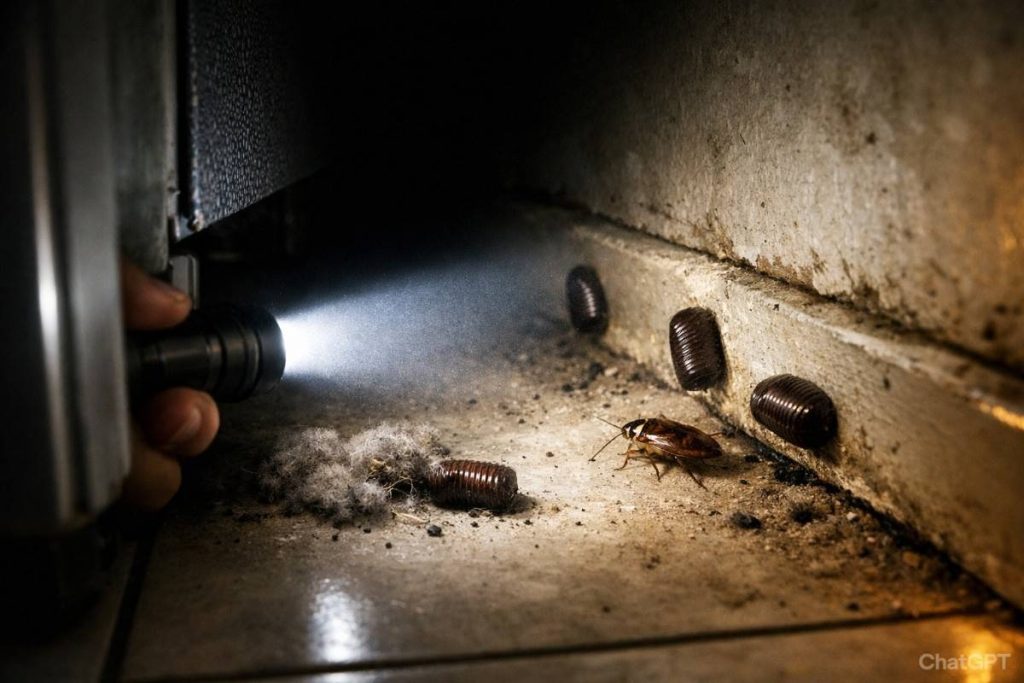
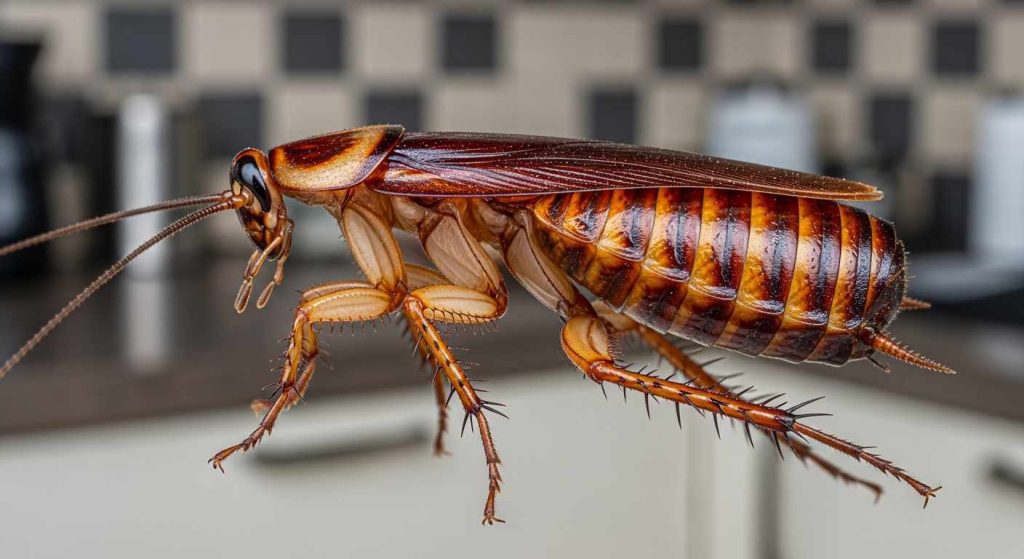
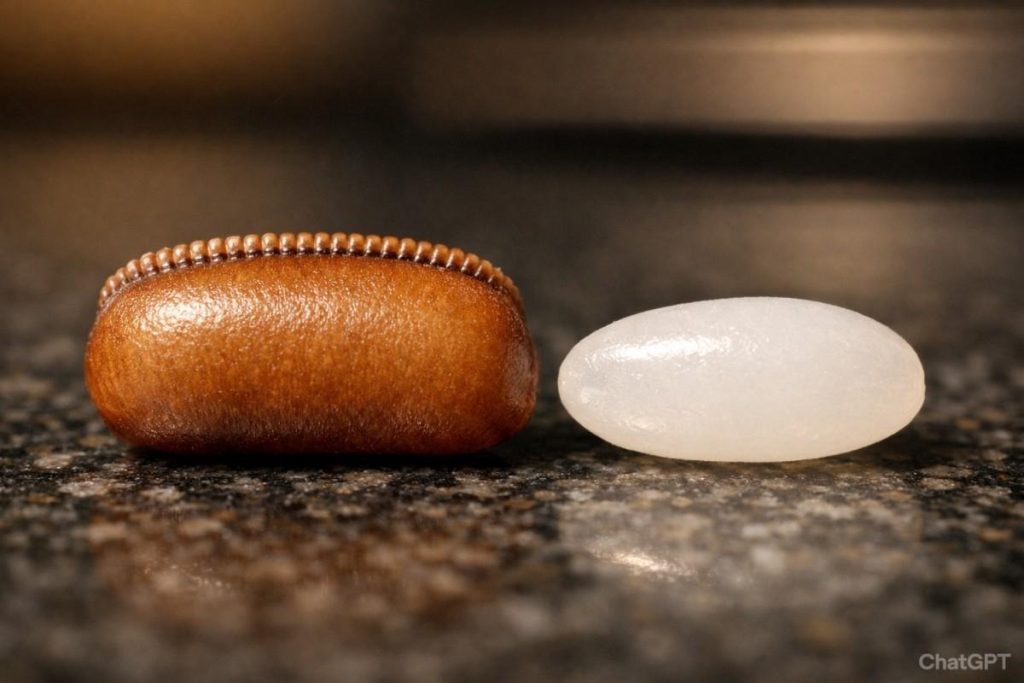
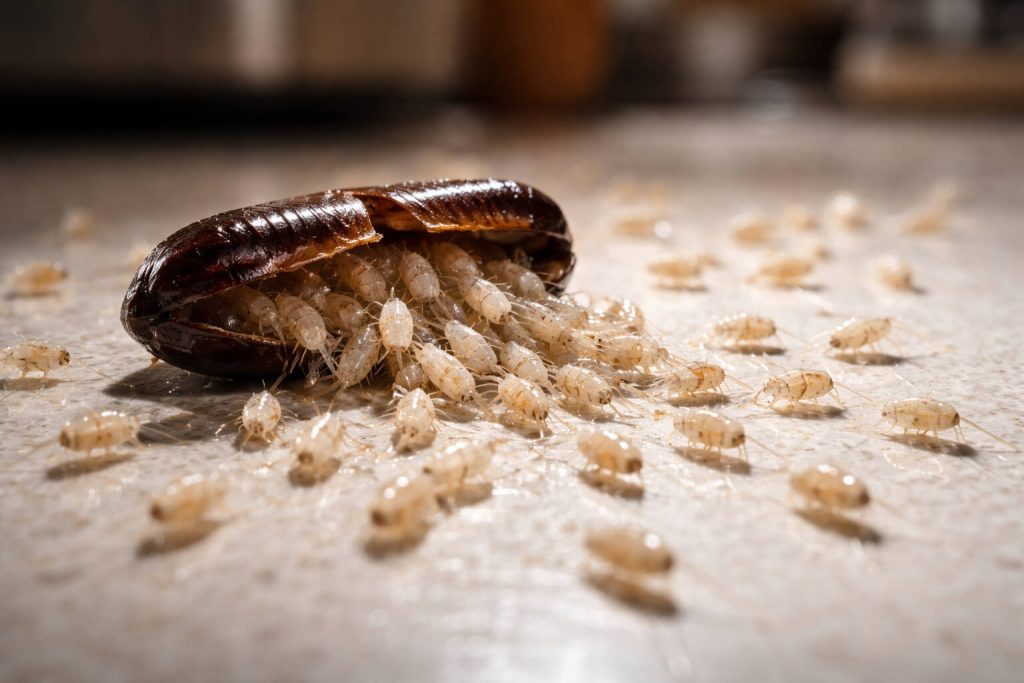
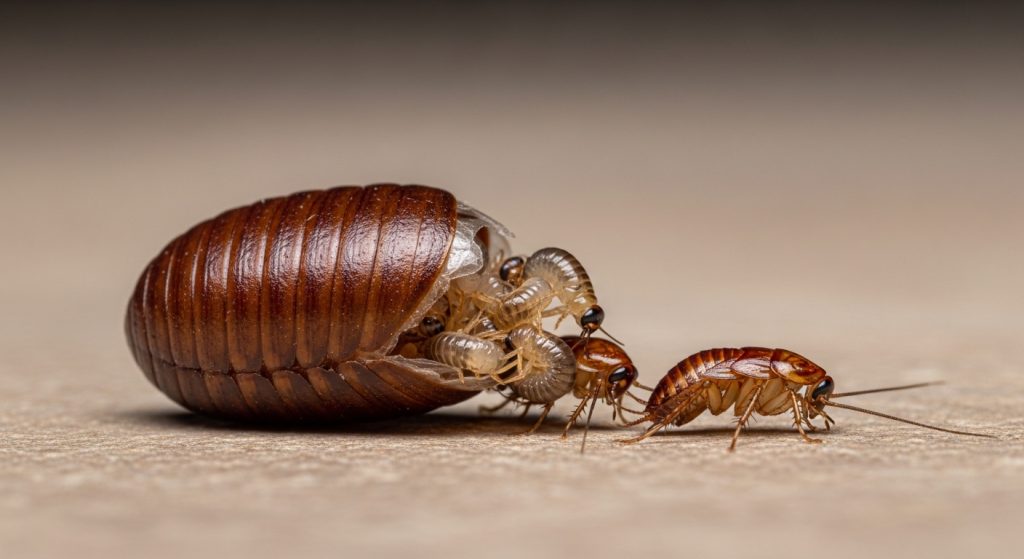
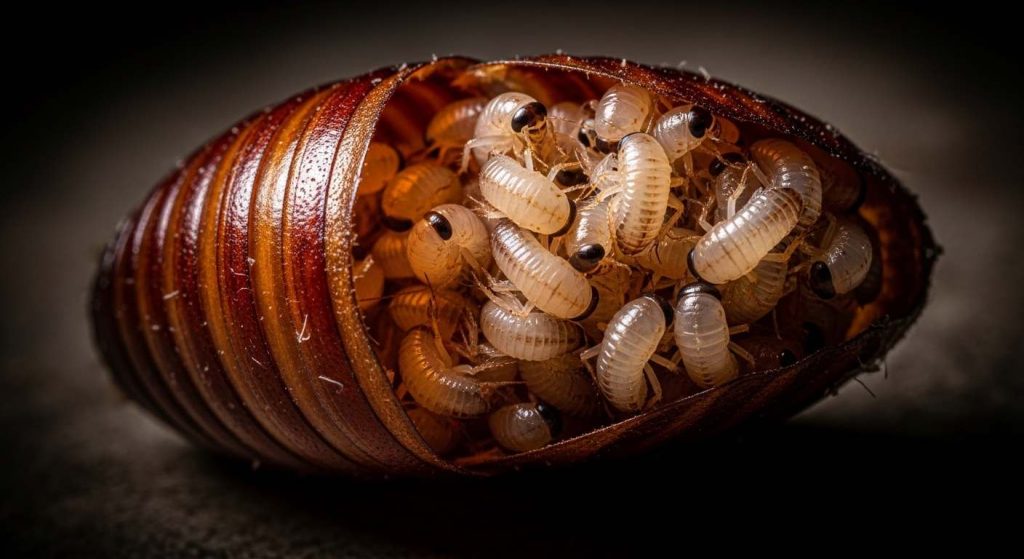
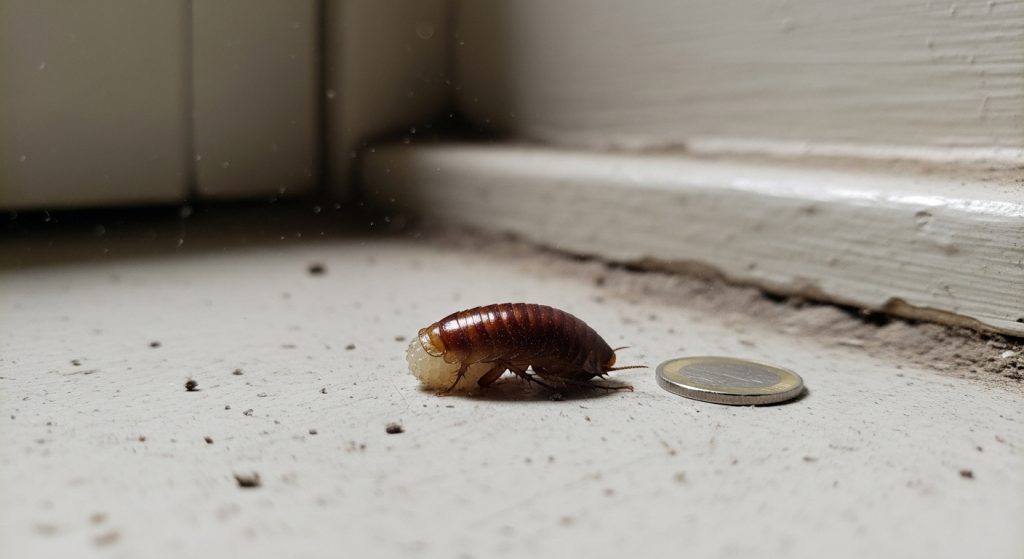
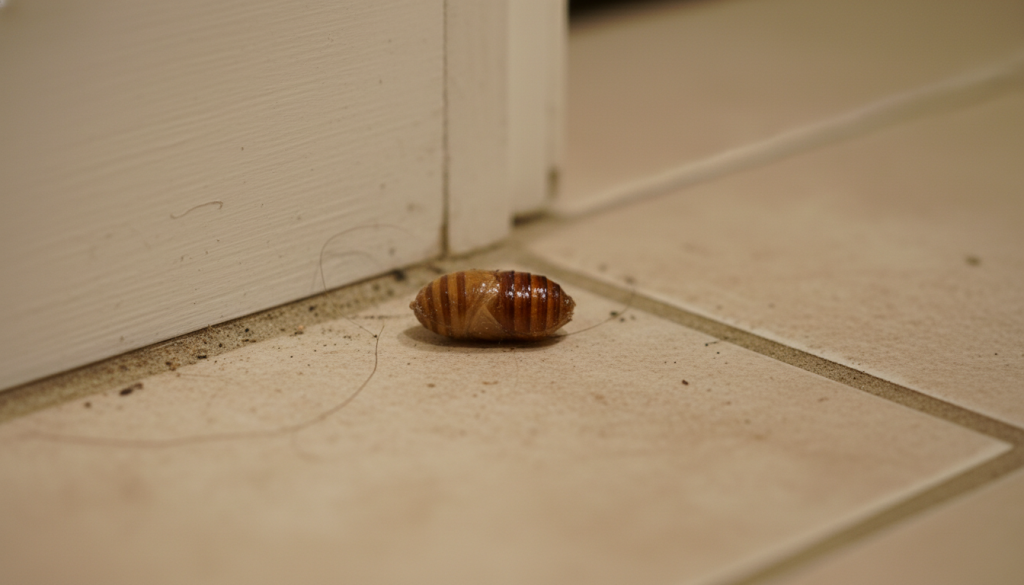
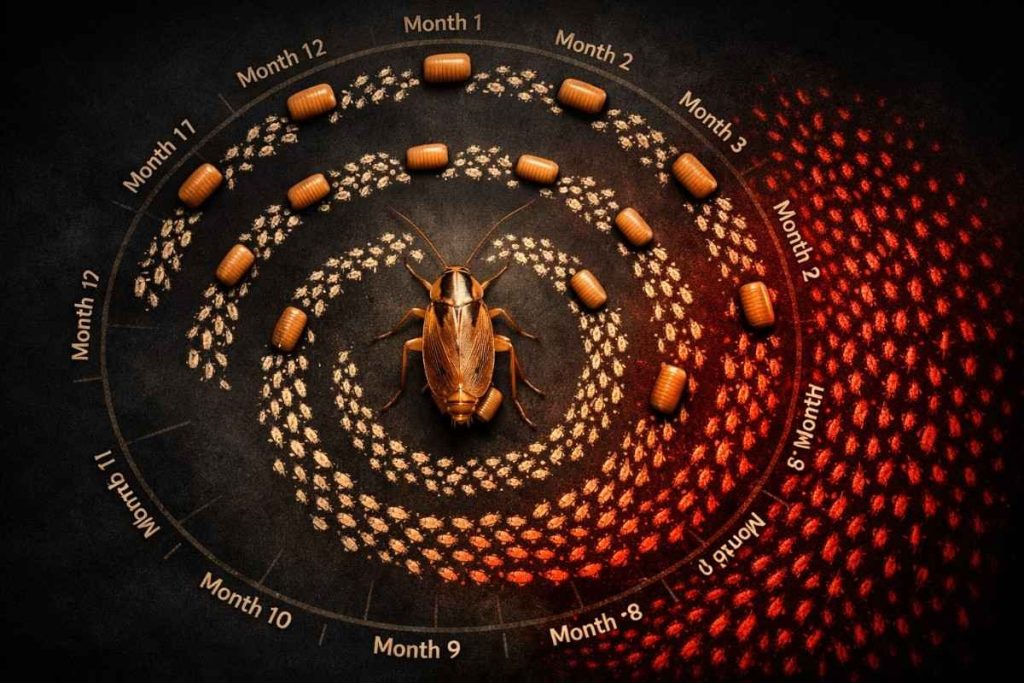
If you’ve spotted a single cockroach in your kitchen, there’s a question you need answered immediately: how often do roaches lay eggs? The answer determines how quickly a minor nuisance transforms into a full-scale infestation, and unfortunately, the math is not in your favor. Cockroaches belong to the order Blattodea, one of the oldest and most reproductively efficient insect groups on the planet. A single gravid female can produce hundreds of offspring in her lifetime, and under ideal conditions, some species cycle through six generations per year. In this guide, we break down the exact cockroach egg-laying frequency for every major pest species, how many eggs each ootheca contains, how fast those eggs hatch, and what environmental factors accelerate the entire breeding cycle. More importantly, we’ll show you the narrow intervention window you have before a small roach problem becomes an uncontrollable population explosion. Understanding the Cockroach Reproductive Cycle Incomplete Metamorphosis: Egg → Nymph → Adult Unlike insects such as butterflies or beetles that undergo complete metamorphosis, cockroaches develop through incomplete metamorphosis, meaning they pass through only three life stages: egg, nymph, and adult. There is no larval or pupal phase. When cockroach eggs hatch, the emerging nymphs already resemble miniature versions of the adults, just smaller, wingless, and lighter in color. Each nymph progresses through a series of developmental phases called instars, typically six to seven molting events, where it sheds its exoskeleton through a process called ecdysis. Immediately after molting, the nymph appears white or translucent (more on what that means later) before its new cuticle hardens and darkens. The entire journey from first instar nymph to reproductive adult varies dramatically by species, from as little as 103 days for the German cockroach to over 600 days for the American cockroach. What Is an Ootheca? Cockroaches don’t scatter individual eggs. Instead, the female produces a hardened egg capsule called an ootheca, a purse-shaped, ridged casing made of tanned protein that shields developing embryos from predators, desiccation, and most pesticides. The ootheca contains two parallel rows of egg chambers separated by a structural keel (a raised ridge running along the top). Each chamber houses a single developing nymph embryo nourished by a yolk sac. Depending on the species, the egg-bearing female either carries the ootheca on her abdominal tip until just before hatching (as the German cockroach does) or deposits it in a hidden location shortly after formation, adhering it with a salivary secretion. This behavioral difference is a critical factor in how successfully each species reproduces and how difficult its eggs are to find and destroy. How Often Do Roaches Lay Eggs? Frequency by Species The answer to how often cockroaches lay eggs depends entirely on the species. Below is a detailed breakdown of the roach reproduction rate for the six most common household pest species. German Cockroach (Blattella germanica) The German cockroach is the most prolific indoor reproducer and the primary driver of residential infestations worldwide. A single female produces a new ootheca approximately every 6 weeks, carrying the egg case on her abdominal tip for nearly the entire 28-day incubation period (at 86°F) before dropping it just hours before hatching. Each ootheca contains 30 to 48 eggs, the highest count of any common pest species. A female German cockroach can produce 4 to 8 oothecae across her 200-day adult lifespan, yielding a staggering 200 to 384 offspring from a single individual. When you factor in overlapping generations with her daughters beginning to reproduce within 103 days, a single mated female can theoretically generate over 300,000 descendants in one year. American Cockroach (Periplaneta americana) The American cockroach reproduces more slowly but lives significantly longer. Females produce one ootheca approximately every 4 to 6 weeks, depositing the dark reddish-brown, 8 mm-long egg case in warm, humid, sheltered locations like basements, crawl spaces, and sewer access points. Each capsule holds 14 to 16 eggs. A female American cockroach produces around 6 to 14 oothecae across her 1- to 2-year adult lifespan, totaling roughly 90 to 224 offspring. The complete egg-to-adult development cycle takes approximately 600 days, making population growth slower, but their preference for city sewers, commercial buildings, and shared plumbing systems means they spread effectively across multi-unit structures. Oriental Cockroach (Blatta orientalis) Oriental cockroaches are the slowest reproducers among major pest species. Females produce a dark, inflated-looking ootheca approximately every 1 to 2 months, depositing it in damp basements, crawl spaces, and mulch beds. Each egg case contains roughly 16 eggs, and the total development period from egg to adult spans an extraordinarily long 300 to 800 days, depending on temperature conditions. A female Oriental cockroach produces approximately 8 oothecae across her lifetime, yielding around 128 total offspring. While these numbers seem modest compared to the German cockroach, their tolerance for cold and their affinity for damp, decaying organic matter make them persistent outdoor-to-indoor invaders, especially in temperate climates. Brown-Banded Cockroach (Supella longipalpa) Brown-banded cockroaches are unique in both their egg-laying behavior and habitat preferences. Females produce a small ootheca approximately every 4 to 6 weeks, containing 10 to 18 eggs, and unlike other species, they glue it to elevated surfaces such as upper cabinet walls, behind picture frames, on ceilings, and even inside electronics. This makes their oothecae among the hardest to locate during inspections. A female produces roughly 14 oothecae in her lifetime, totaling approximately 140 to 252 offspring. The full development period takes around 161 to 276 days. Brown-banded cockroaches prefer drier, warmer environments than their German counterparts and are more likely to infest bedrooms, living rooms, and offices rather than kitchens and bathrooms. Smokybrown Cockroach (Periplaneta fuliginosa) Common in the southeastern United States, smoky brown cockroaches produce a dark brown to black ootheca approximately every month, each containing 20 eggs. The egg case is roughly 10–14 mm long and is typically deposited in tree bark crevices, mulch beds, soffits, and attic spaces. Development from egg to adult takes 160 to 365+ days, depending on the climate. Egg-Laying Frequency Comparison Table Species Egg-Laying Frequency