

What Do Roach Eggs Look Like? Complete Identification Guide
Finding mysterious objects in dark corners of your home can be alarming. You might wonder: What do roach eggs look like? Understanding the appearance of cockroach eggs helps you catch infestations early. This guide shows you exactly how to identify roach eggs, where to find them, and what to do next.
Roaches don’t lay single eggs like many insects. Instead, they produce protective egg cases called oothecae. These capsules hold multiple eggs and look quite different from what most people expect. Knowing what to look for can save you time, money, and stress.
Understanding the Cockroach Egg Case (Ootheca)
A cockroach egg case is called an ootheca. This term comes from scientific entomology. The ootheca is a protective capsule that holds many individual eggs inside.
Think of the ootheca as a tiny purse or bean-shaped container. The protective casing shields developing embryos from harm. It keeps eggs safe from predators, pathogens, and environmental changes.
Each ootheca contains between 10 and 50 eggs. The exact number depends on the cockroach species. Some species carry more eggs per clutch than others.
The egg capsule has a tough outer wall. This wall protects the internal membranes and yolk inside each egg. A seam or ridge often runs along the capsule exterior. This ridge marks where nymphs will eventually emerge during hatching.
What Do Cockroach Eggs Look Like? Key Visual Identification Cues
Roach Egg Size and Shape
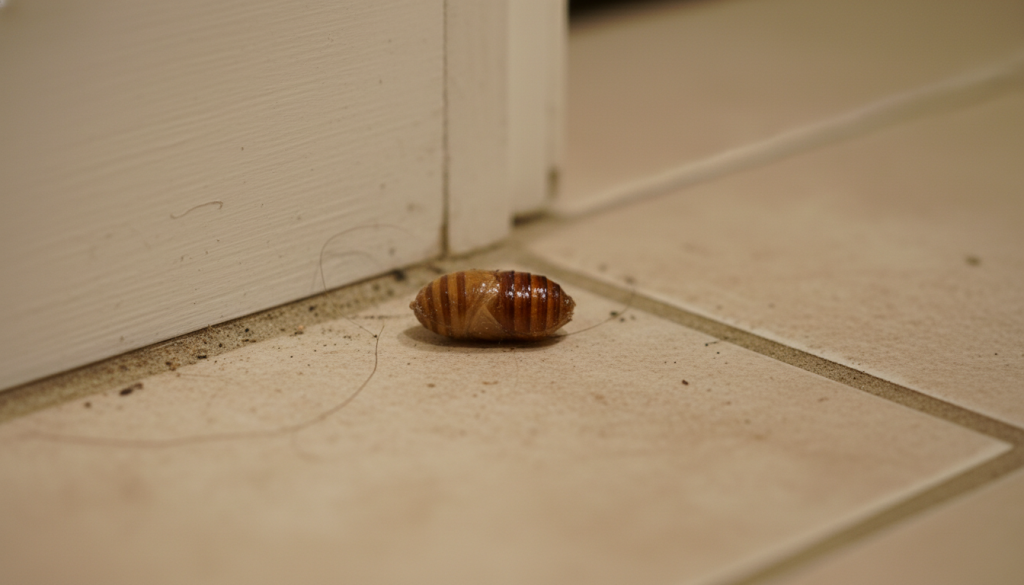
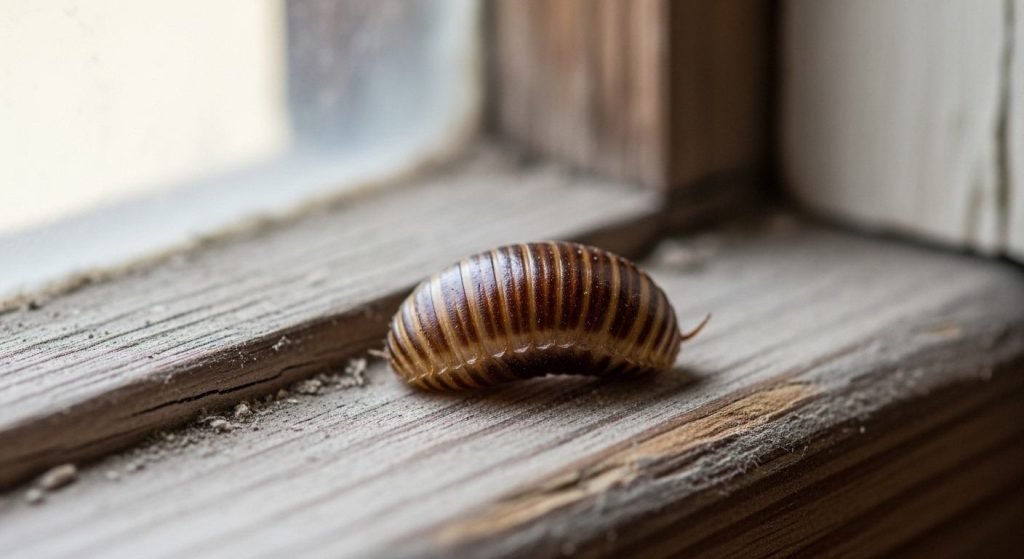
Cockroach oothecae are small but visible to the naked eye. Most egg cases measure between 5 and 10 millimeters long. That’s roughly the size of a dried kidney bean or rice grain.
The shape resembles a tiny capsule or pill. Some people describe it as looking like a small purse. The sides are often slightly flattened with rounded ends.
Cockroach Egg Color
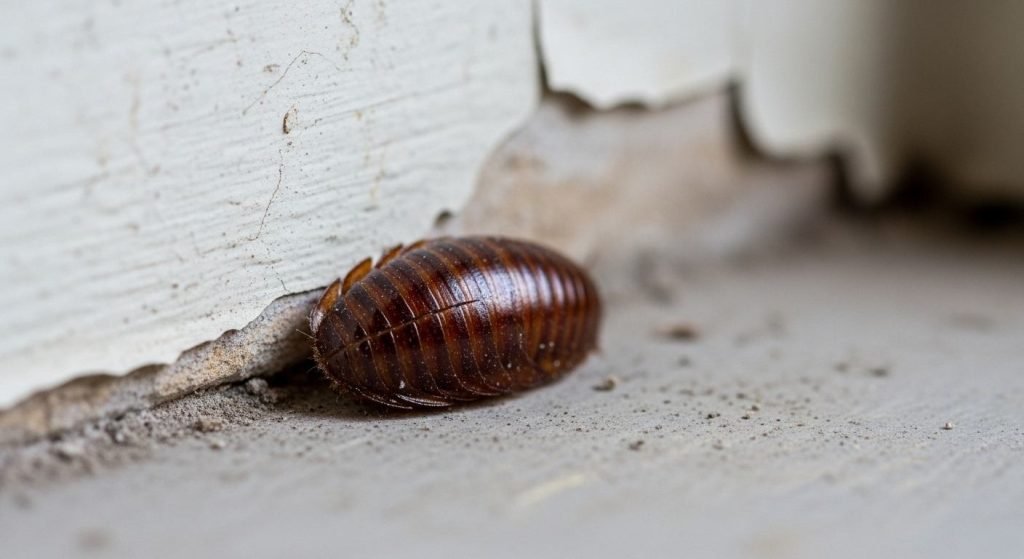
Fresh oothecae usually appear tan, brown, or reddish-brown. The exact egg color varies by species. Some start lighter and darken over the incubation period.
German cockroach egg cases tend to be light brown or tan. American cockroach oothecae are darker reddish-brown. Oriental cockroach egg cases appear very dark brown or almost black.
Egg Case Texture
The surface of an ootheca has a smooth, leathery texture. You may notice slight ridge structures running lengthwise. These ridges create a subtle pattern on the capsule exterior.
Some egg cases have a slightly waxy appearance. This protective coating helps maintain proper humidity for embryo development.
Cockroach Ootheca Identification by Species
Different cockroach species produce unique egg cases. Learning these differences helps you identify which roaches have invaded your space.
German Cockroach Ootheca
The German cockroach produces a small, light brown egg case. It measures about 6 to 9 millimeters long. This ootheca holds 30 to 40 eggs inside.
Female German cockroaches exhibit interesting maternal behavior. They carry the ootheca attached to their abdomen until just before hatching. This retained ootheca behavior makes German roaches particularly successful invaders.
You may spot an egg-bearing female scurrying along baseboards. The egg sac protrudes visibly from her body.
American Cockroach Ootheca
American cockroaches create larger, darker egg cases. Their oothecae measure about 8 to 10 millimeters long. Each case contains around 14 to 16 eggs.
These roaches glue their egg cases to surfaces using ootheca attachment secretions. You’ll find them stuck near food sources in basements, kitchens, and bathrooms.
Brown-Banded Cockroach Egg Case
The brown-banded cockroach egg case is smaller and lighter. It measures roughly 5 millimeters long. Each capsule holds about 10 to 18 eggs.
Females attach these oothecae to furniture, ceilings, and inside wall voids. They prefer warm, dry locations throughout your home.
Oriental Cockroach Ootheca
Oriental cockroach oothecae are dark brown to black. They measure about 8 to 10 millimeters long. Each case contains approximately 16 eggs.
These roaches deposit their egg cases in sheltered cracks and crevices. Common hiding spots include basements and areas near plumbing.
Smokybrown Cockroach Ootheca
Smokybrown cockroach egg cases are dark brown and shiny. They measure around 10 to 14 millimeters long. Each ootheca holds about 20 eggs.
Females glue these cases in protected outdoor areas. They also choose attics and wall voids near moisture sources.
Where to Find Roach Eggs in Your Home
Knowing habitual locations helps you inspect for ootheca effectively. Cockroaches choose hidden microhabitats for egg-laying.
Kitchen Areas
Kitchens offer warmth, moisture, and food sources. Check behind and under appliances like refrigerators and stoves. Inspect inside cabinets, especially near hinges and corners.
Look behind backsplashes and under sinks. Roaches favor these dark, humid harborages.
Bathroom Spaces
Bathrooms provide the humidity cockroaches need. Examine areas under sinks and behind toilets. Check inside vanity cabinets and near plumbing pipes.
Wall Voids and Baseboards
Cracks and crevices along baseboards are common egg sites. Roaches squeeze into tiny gaps to deposit oothecae. Use a flashlight to inspect dark corners carefully.
Furniture and Storage
Brown-banded cockroaches especially prefer furniture. Check underneath cushions and inside dresser drawers. Cardboard boxes in storage areas also attract egg-laying females.
How to Distinguish Roach Eggs from Other Pest Eggs
Many homeowners confuse cockroach eggs with other pest indicators. Understanding the differences prevents misidentification.
Roach Eggs vs. Termite Eggs
Termite eggs are tiny, white, and oval-shaped. They’re usually found in mud tubes or underground colonies. Cockroach oothecae are larger, darker, and capsule-shaped.
Roach Eggs vs. Bed Bug Eggs
Bedbug eggs are very small and pearly white. They measure only about 1 millimeter long. You’ll find them in mattress seams and bed frames. Cockroach egg cases are significantly larger and brown-colored.
Roach Eggs vs. Moth or Pantry Pest Eggs
Moth eggs are tiny and often attached to food packaging. Pantry pest eggs blend in with stored grains. Cockroach oothecae are distinct, purse-shaped capsules never found in food.
Signs of Active Reproduction vs. Old Evidence
Learning to distinguish fresh from old oothecae matters for pest management. This knowledge tells you whether an infestation is current.
Fresh Ootheca Characteristics
Fresh egg cases appear plump and darker in color. The surface looks smooth and intact. Visible eggs remain inside the capsule.
Empty or Old Ootheca
Hatched oothecae appear flattened and lighter. You may notice an operculum-like opening where nymphs emerged. The egg cluster inside is gone.
Partially Hatched Ootheca
Sometimes oothecae only partially hatch. This occurs when environmental conditions weren’t ideal. Humidity and temperature effects significantly impact hatching success.
Parasitized Ootheca
Natural enemies like parasitoid wasps sometimes attack oothecae. Parasitized egg cases may have small holes. These don’t indicate successful nymph emergence.
The Cockroach Lifecycle: From Egg to Adult
Understanding life stages helps with integrated pest management. Cockroaches undergo incomplete metamorphosis through three stages.
Egg Stage
Oviposition occurs when females deposit their oothecae. The incubation period varies by species and conditions. German roach eggs hatch in about 28 days. American cockroach embryo development takes 44 to 90 days.
Proper temperature and humidity speed up hatching. Cooler, drier conditions slow development.
Nymph Stage
Nymph emergence happens when eggs hatch inside the ootheca. Tiny nymphs push through the opening and scatter. These immature roaches go through several nymphal instars before adulthood.
Each instar involves molting and growth. Nymphs look like smaller versions of adults without wings.
Adult Stage
Adult cockroaches can reproduce and continue the cycle. A single-mated female can produce many oothecae during her lifetime. This rapid reproduction explains how infestations grow quickly.
How to Find and Remove Cockroach Eggs
Taking action against roach eggs prevents population growth. Early detection stops small problems from becoming big ones.
Inspection Tips
Use a flashlight and magnifier for thorough inspection. Check all harborage sites systematically. An inspection checklist helps ensure you cover every area.
Place glue traps for monitoring cockroach activity. These traps reveal where roaches travel most frequently.
Safe Ootheca Removal
Remove cockroach eggs carefully when you find them. Use a vacuum with a HEPA filter for best results. Seal the vacuum bag immediately and dispose of it outside.
Wipe surfaces with soapy water after removal. This eliminates any remaining pheromones that attract more roaches.
Killing Roach Eggs
Standard insecticides don’t always penetrate the protective capsule. Insect growth regulators (IGRs) offer better results. These products disrupt embryo development inside the egg.
Professional pest control services have access to effective treatments. They understand the mode of action needed for egg elimination.
Prevention: Stop Oviposition Before It Starts
Preventing roaches from laying eggs protects your home long-term. Combine sanitation, exclusion, and monitoring for the best results.
Sanitation Practices
Remove food sources and attractants that bring roaches inside. Clean up crumbs and spills quickly. Store food in sealed containers. Take garbage out regularly.
Reduce moisture by fixing leaky pipes. Use bathroom fans and dehumidifiers where needed.
Exclusion Methods
Sealing cracks prevents oviposition in hidden areas. Use caulk around baseboards, pipes, and electrical outlets. Install door sweeps and repair window screens.
Exclusion makes your home less hospitable to egg-bearing females.
Ongoing Monitoring
Continue using glue traps after treatment. Regular inspection catches new activity early. Stay vigilant in previously infested areas.
When to Call a Professional Exterminator
Sometimes DIY methods aren’t enough. Professional exterminator removal becomes necessary for serious infestations.
Consider calling professionals when:
- You find multiple oothecae in different locations
- Roach sightings continue despite your efforts
- You’re dealing with German cockroaches specifically
- The infestation affects health-sensitive areas
Pest management professionals understand detection protocols. They use integrated pest management (IPM) programs combining multiple approaches. Their chemical control and non-chemical control methods work together effectively.
Take Action Against Roach Eggs
Now you know what roach eggs look like and where to find them. You understand the difference between species and can identify fresh versus old egg cases. This knowledge allows you to protect your home.
Don’t wait for a small problem to become a major infestation. Start your inspection today. Check kitchens, bathrooms, and hidden harborage areas. Remove any oothecae you find immediately.
For persistent problems, contact a licensed pest control professional. They have the expertise and tools to eliminate roach eggs completely. Your family deserves a pest-free home; take the first step now.
Have you spotted suspicious egg cases in your home? Share your experience in the comments below, or contact a local pest management expert for a thorough inspection.