Can Cockroach Eggs Live on Clothes? Everything You Need to Know
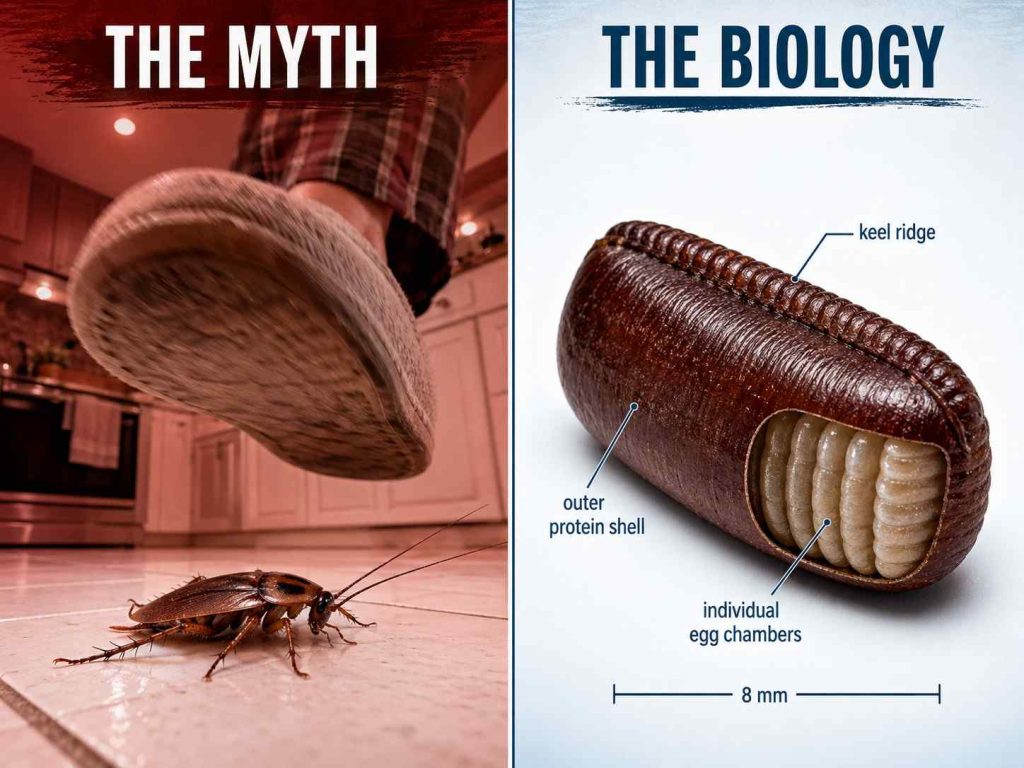
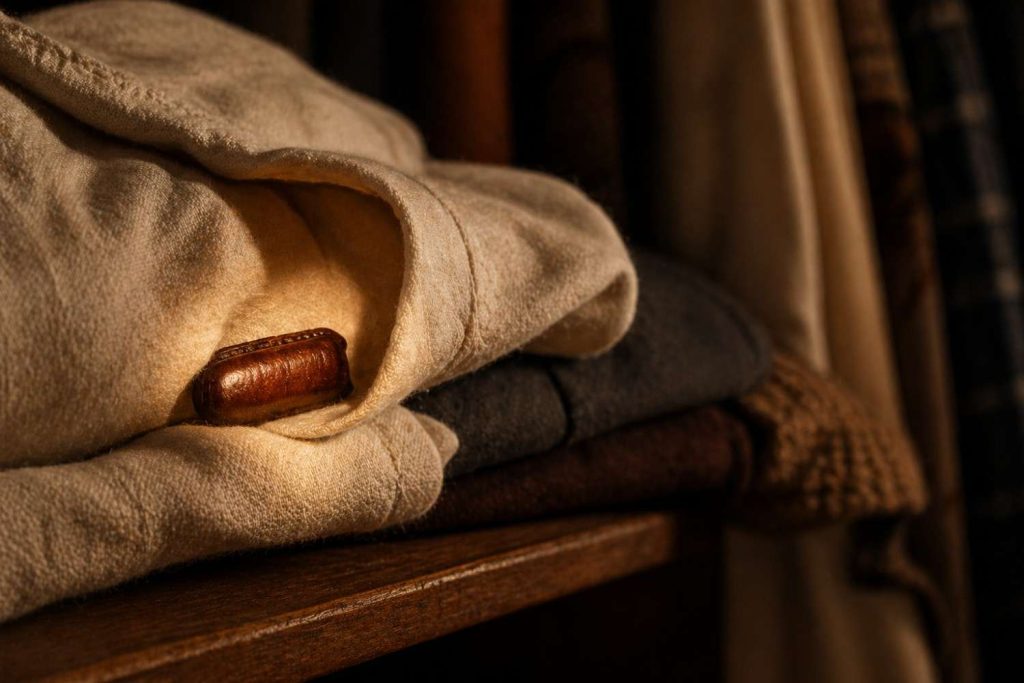
If you’ve ever spotted a small, dark, capsule-shaped object tucked into the fold of a stored garment, you already know the unsettling feeling that follows. Cockroach eggs on clothes are not just a theoretical risk; they are a documented, real-world pathway through which roach infestations spread from one room, apartment, or building to another. Understanding whether cockroach eggs can survive on fabric, how long they remain viable, and what kills them before they hatch is critical knowledge for any homeowner, renter, or pest management professional. In this comprehensive guide, I’ll walk you through the biology of cockroach reproduction, the specific conditions that allow roach eggs to survive on clothing, and the most effective methods to eliminate them permanently. What Is a Cockroach Egg Case? Understanding the Ootheca Before we can answer whether cockroach eggs survive on clothes, you need to understand what you’re actually dealing with. The ootheca (plural: oothecae) is the egg case produced by a gravid female cockroach. It is not a single egg; it is a hardened, protective capsule that houses multiple embryos arranged in two symmetrical rows inside individual egg chambers. The word comes from the Greek “oon” (egg) and “theke” (case or container), and it is the defining reproductive structure of the Order Blattodea. Each ootheca has a distinct keel, a ridge running along the top, which is one of the most reliable visual identifiers when distinguishing a roach egg case from other household debris. What Does a Cockroach Egg Case Look Like? The appearance of an ootheca varies by species, but common characteristics include: Color: Dark brown to reddish-brown, sometimes appearing almost black when newly deposited Shape: Elongated, purse-shaped, or rectangular capsule with a ridged seam along one edge Size: Ranges from approximately 5mm (Blattella germanica) to 12mm (Periplaneta americana) Texture: Smooth to slightly leathery outer surface made of a hardened protein coat Contents: Anywhere from 12 to 50 embryos, depending on species > Key Takeaway: The ootheca is engineered by nature for survival. Its hardened outer shell, the chorion, is resistant to dehydration, mild chemicals, and physical disturbance. This is precisely why cockroach egg survival on textiles and other surfaces is not just possible, but surprisingly common. Species-Specific Egg Case Differences: Why It Matters for Clothing Infestation Not all cockroach species deposit their oothecae the same way. This distinction is critically important when assessing the risk of roach egg transfer via clothing. German Cockroach (Blattella germanica) The German cockroach is the species most likely to be responsible for cockroach eggs found on clothes. Here’s why: The gravid female carries her ootheca attached to her body, protruding from her abdomen, for almost the entire egg incubation period of 28 to 30 days. She only deposits it 1 to 2 days before hatching. This oothecophore behavior (carrying the egg case externally) means that. 1. The ootheca spends most of its development period on a living, mobile host 2. The female can deposit it in warm, enclosed spaces, including inside folded clothing 3. The egg case is dropped in a protected location, not glued permanently to a hard surface A single German cockroach ootheca contains 30 to 40 eggs, and a female can produce 4 to 8 oothecae during her lifetime, potentially yielding up to 300 offspring. Their fecundity (reproductive output) is among the highest of any household pest species. American Cockroach (Periplaneta americana) The American cockroach behaves differently. The female deposits her ootheca within hours or days of formation, cementing it to a surface using an adhesive secretion produced by her accessory glands. This oothecal attachment mechanism creates a strong bond with substrate surfaces. An American cockroach ootheca contains approximately 14 to 16 eggs (some sources document up to 16 per case, with females producing 6 to 14 cases in a lifetime). The incubation period runs 50 to 55 days under optimal conditions. Clothing risk: Because the American roach glues its ootheca to surfaces, the risk of egg transfer to clothing depends on whether the fabric is stored near deposition sites, such as against a wall, in a box, or in a pile on the floor. Brown-Banded Cockroach (Supella longipalpa) The brown-banded cockroach is a particularly important species in the context of clothes infestations. Unlike most roaches that prefer kitchens and damp areas, the brown-banded roach actively prefers warm, dry environments, including bedroom closets, wardrobes, and stored clothing. The female deposits her purse-shaped ootheca by gluing it to rough surfaces, including fabric, cardboard, and the undersides of furniture. Each case contains approximately 14 to 18 eggs with an incubation period of 35 to 80 days. Oriental Cockroach (Blatta orientalis) The Oriental cockroach produces a relatively large, dark reddish-brown egg capsule containing 16 to 18 eggs. The female drops her ootheca in protected areas rather than firmly cementing it, making these egg cases more easily transferred by accidental contact with fabric or clothing left on the floor. Can Cockroach Eggs Actually Survive on Clothes? This is the central question, and the answer requires nuance. Yes, cockroach eggs can survive on clothes. However, the survival rate, duration, and risk level depend on multiple interacting factors: species, fabric type, environmental conditions, and whether the eggs are attached or simply resting on the surface. How Cockroach Eggs Get Onto Clothing Roach egg transfer to clothing happens through several pathways: 1. Direct deposition by a gravid female A female cockroach seeking a warm, dark, enclosed space may deposit her ootheca directly into a pile of clothing, inside a shoe, or within a folded garment stored in an infested area. This is especially common with German cockroaches and brown-banded cockroaches. 2. Passive transfer via contact When clothing is stored near egg deposition sites along baseboards, inside cardboard boxes, or in closets, an ootheca can adhere to fabric through its natural adhesive secretion or simply become lodged in fabric fibers. 3. Hitchhiking through secondhand clothing Secondhand clothing pest risk is a well-documented but underappreciated pathway for cockroach dispersal. Garments from infested homes, thrift stores, or storage units can carry viable oothecae