
How Big Are Roach Egg Cases? Size Chart by Species
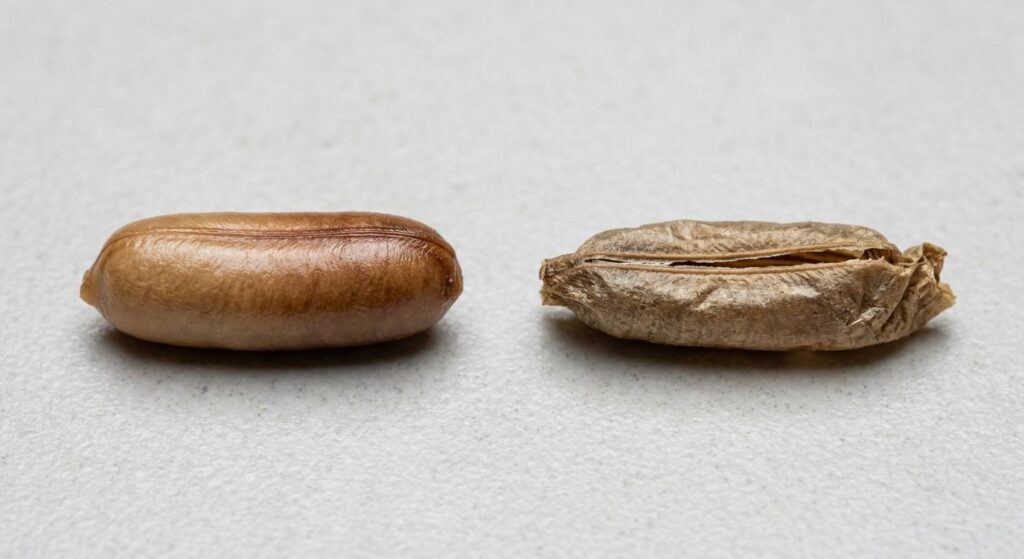
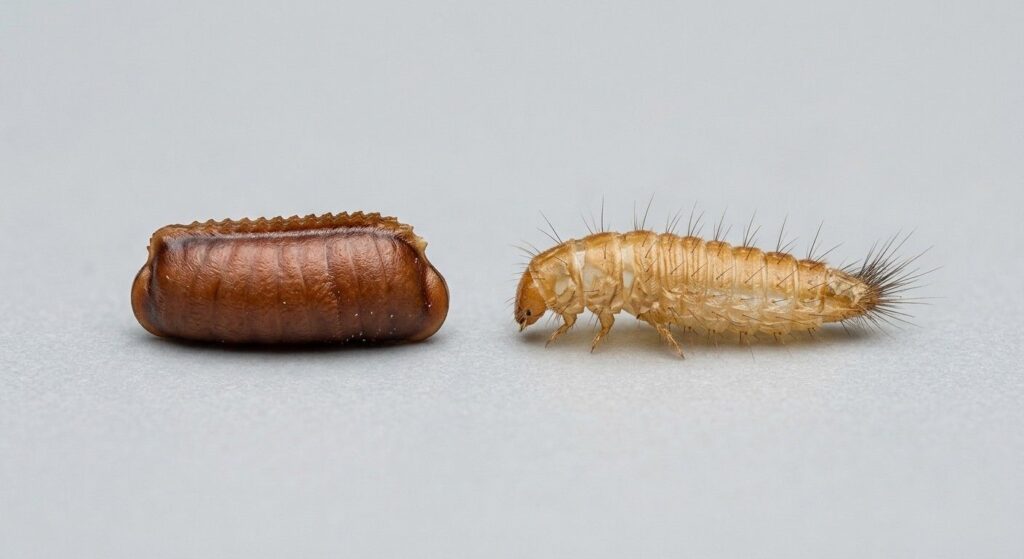
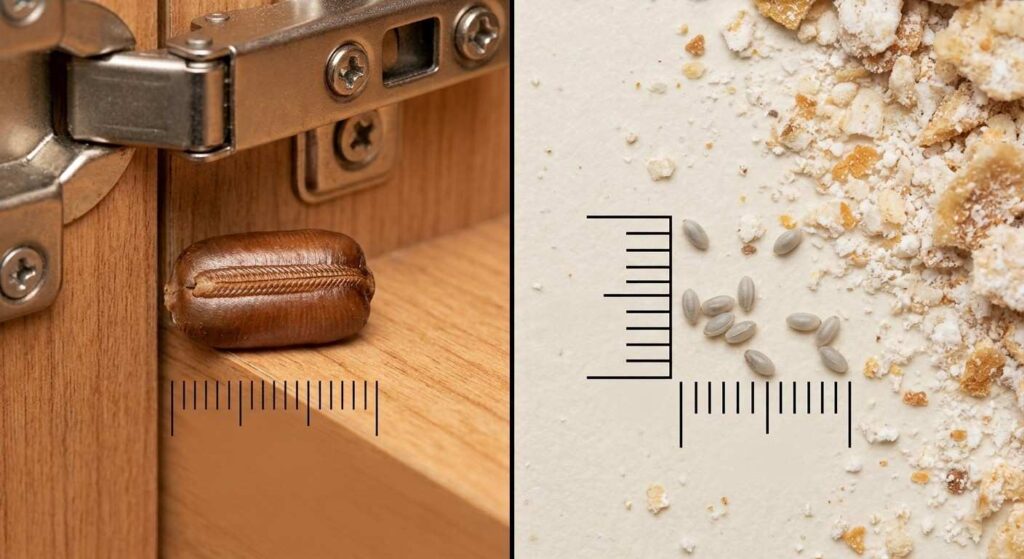
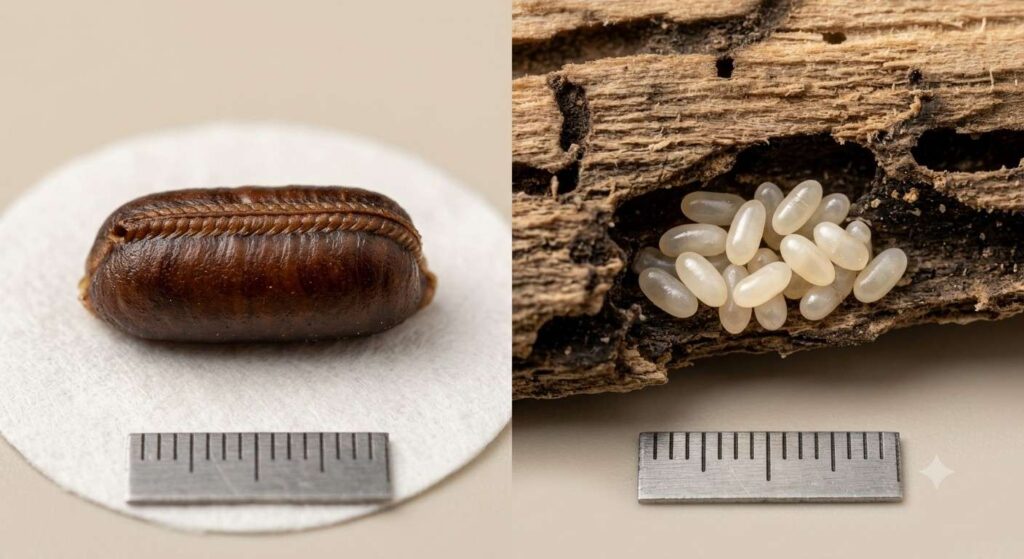
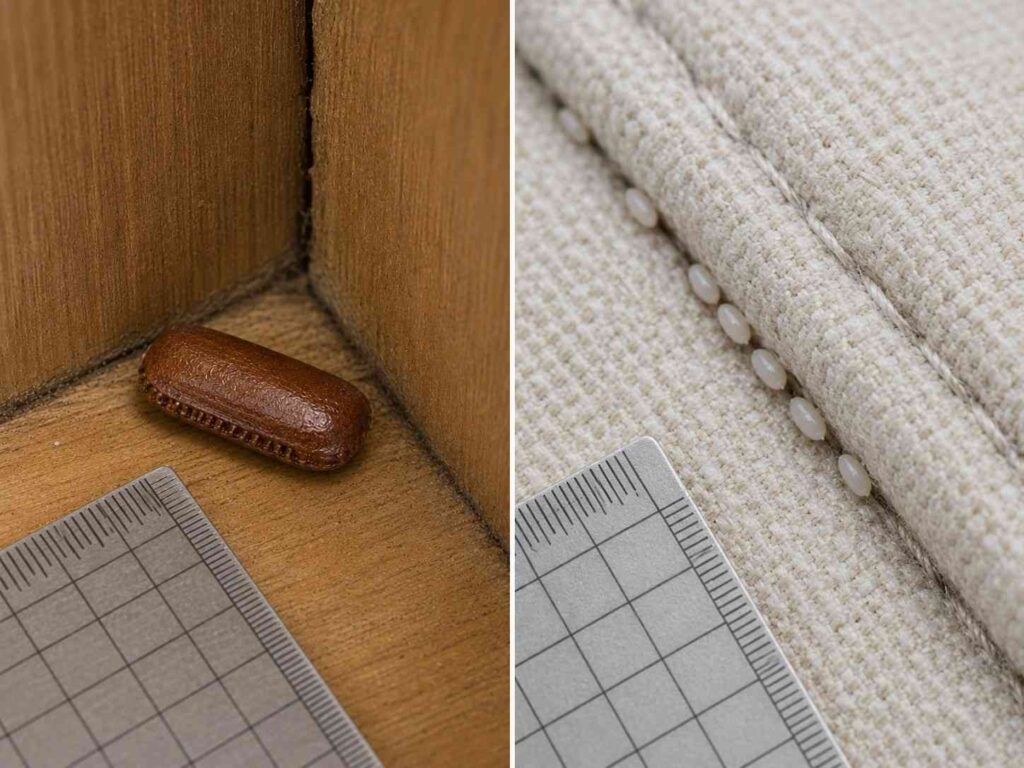
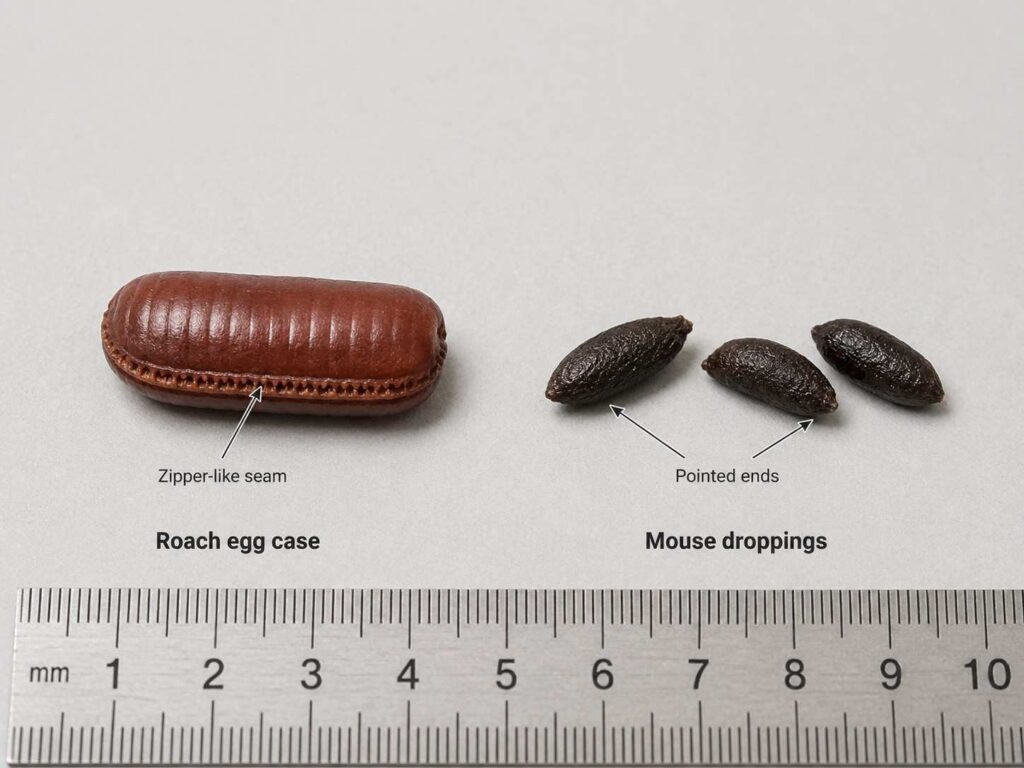
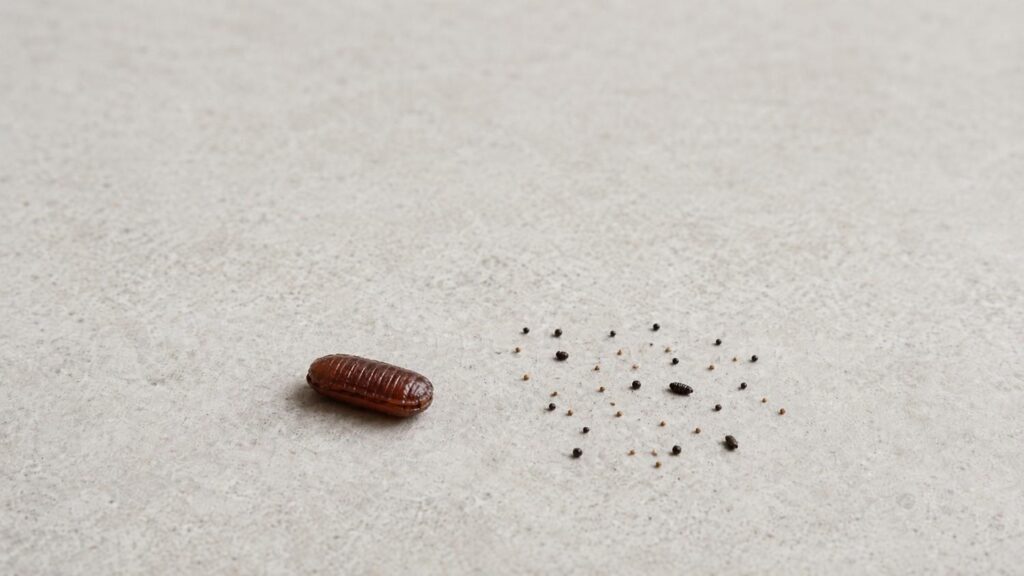
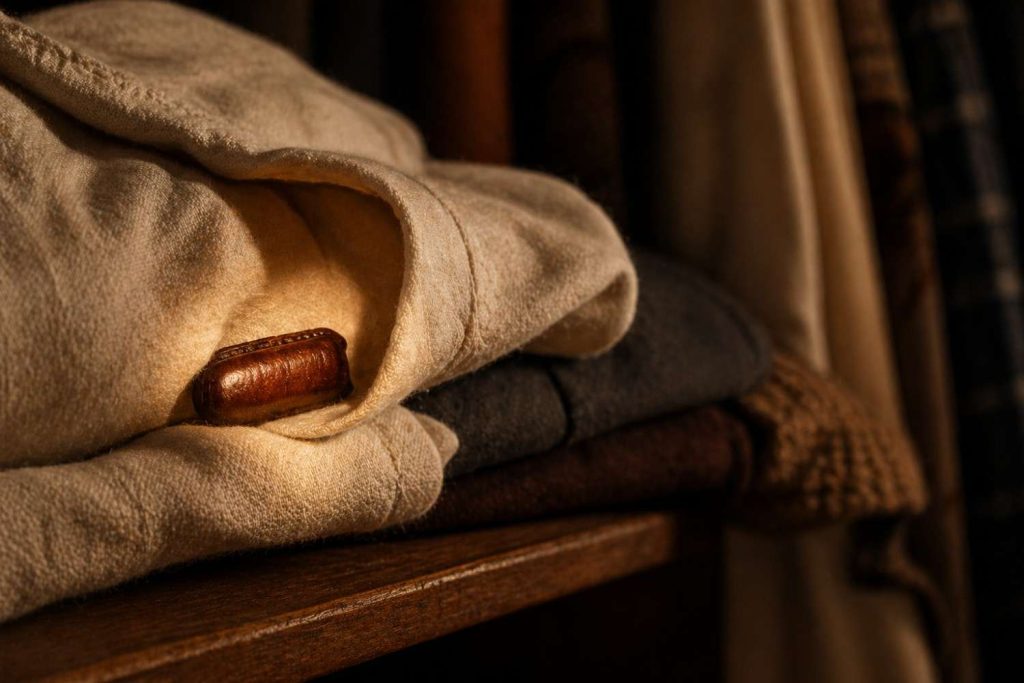
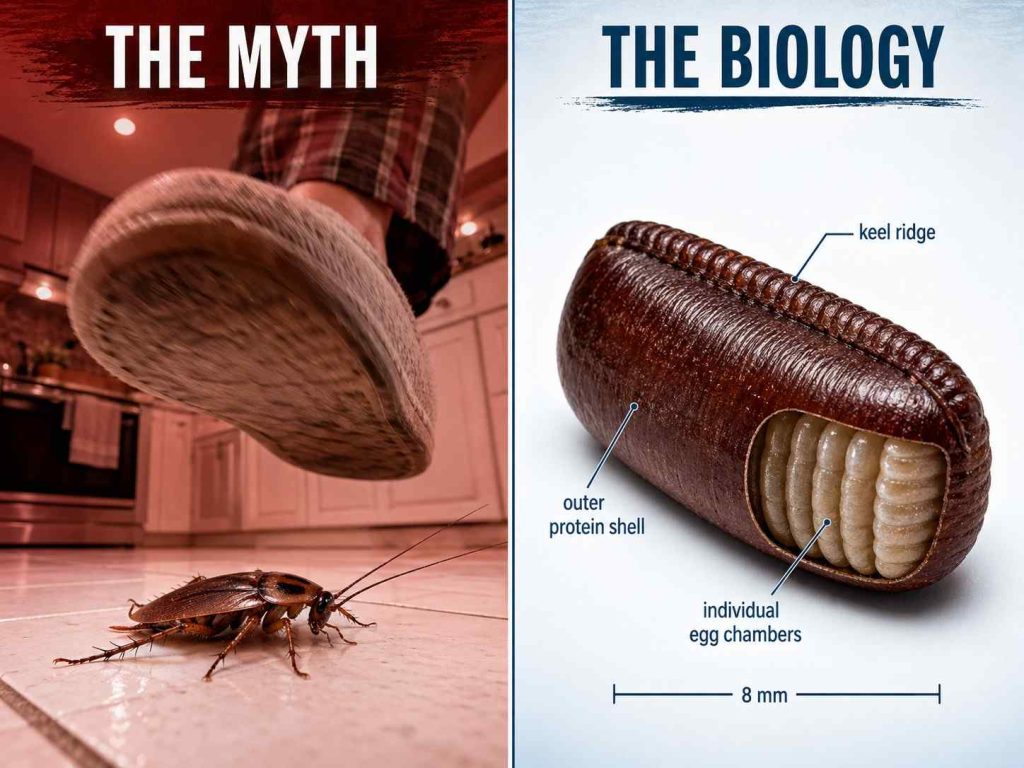
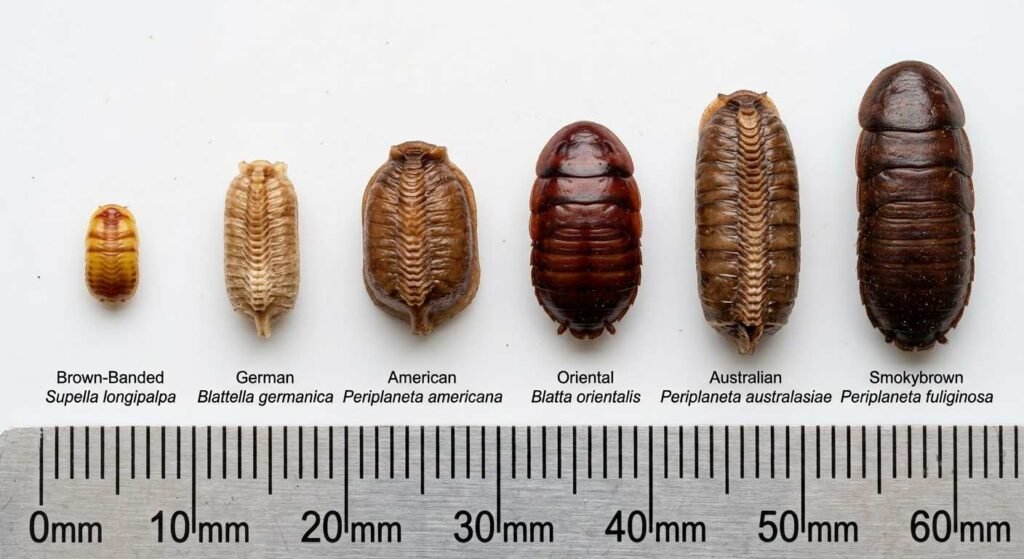
Roach egg cases usually measure about 5–13 mm long, depending on the cockroach species. Brown-banded roach egg cases are among the smallest at about 5 mm, German roach egg cases are usually about 6–9 mm, American roach egg cases average about 8 mm, Oriental roach egg cases are often about 8–10 mm, and smokybrown or Australian roach egg cases may reach about 11–13 mm. A roach egg case is called an ootheca. It is not a single loose egg. It is a protective capsule that contains multiple developing roaches inside. Most oothecae look like tiny brown capsules, beans, purses, or pill-shaped cases with a seam or ridge along one side. Size helps identify the species, but it should not be used alone. Color, shape, texture, location, and whether the case is carried, dropped, or glued to a surface are just as important. Roach Egg Case Size Chart by Species Roach SpeciesOotheca SizeApprox. Inch SizeColorEggs Per CaseCommon LocationBrown-banded cockroachAbout 5 mmAbout 3/16 inYellowish, reddish-brown, or light brownUp to 18Furniture, ceilings, walls, closets, electronics, bedroomsGerman cockroachAbout 6–9 mmAbout 1/4–1/3 inLight tan to brownAbout 30–40, sometimes moreFemale carries it until near hatch; kitchens and bathroomsAmerican cockroachAbout 8 mmAbout 1/3 inBrown to dark brown/blackishAbout 14–16Basements, drains, utility rooms, damp concealed areasOriental cockroachAbout 8–10 mmAbout 1/3–3/8 inDark reddish-brown to nearly blackAbout 16Damp basements, crawl spaces, drains, cool humid areasAustralian cockroachUp to 11 mmUp to 7/16 inBrown to dark brownAbout 24Outdoor moist areas, greenhouses, sinks, cupboards, cracksSmokybrown cockroachAbout 13 mmAbout 1/2 inDark brownAbout 20Attics, crawl spaces, tree holes, garages, leaf litter, humid areas For a visual identification guide, read our article on what roach eggs look like. What Is a Roach Egg Case? A roach egg case is a protective capsule called an ootheca. Female cockroaches produce oothecae to hold and protect developing embryos until the nymphs are ready to hatch. Cockroach eggs are not usually found as loose individual eggs around the home. When people say “roach eggs,” they usually mean the ootheca. This case can contain anywhere from about 10 to 50 eggs depending on the species. The University of Florida IFAS Extension explains that cockroach eggs are deposited in groups inside a leathery case or capsule called an ootheca. The same guide notes that German cockroach oothecae may contain 30–48 eggs, while other cockroach capsules may contain 10–28 eggs University of Florida IFAS. For the full biology explanation, read what are roach eggs? How Big Are German Roach Egg Cases? German roach egg cases are about 6–9 mm long, with many references listing the typical size close to 8 mm. They are light tan to brown, narrow, ridged, and purse-shaped. Rutgers NJAES states that a typical German cockroach egg case contains about 40 eggs and measures about 8 mm by 3 mm by 2 mm Rutgers NJAES. University of Florida IFAS also describes the German cockroach ootheca as a tiny brown purse-shaped capsule about 8 mm long, 3 mm high, and 2 mm wide UF IFAS German cockroach profile. German roach oothecae are especially important because females carry them until just before hatching. A loose German ootheca may be very close to hatch, recently hatched, or detached from the female under stress. German Roach Egg Case Size Clues If you suspect this species, use our German roach eggs guide. How Big Are American Roach Egg Cases? American roach egg cases are about 8 mm long and about 5 mm high. They are brown when deposited and may darken to blackish-brown after a day or two. University of Florida IFAS states that American cockroach females deposit a hardened purse-shaped ootheca near a source of food, sometimes gluing it to a surface. The egg case contains about 16 eggs, is brown when deposited, turns black in a day or two, and is about 8 mm long and 5 mm high UF IFAS American cockroach profile. American roach oothecae may look thicker and darker than German roach egg cases, even when their length is similar. They are often found near damp, protected areas such as basements, drains, utility rooms, sewers, and pipe chases. American Roach Egg Case Size Clues How Big Are Oriental Roach Egg Cases? Oriental roach egg cases are usually about 8–10 mm long. They are dark reddish-brown to nearly black and often look slightly swollen or inflated compared with smaller indoor species. Orkin describes Oriental cockroach oothecae as dark reddish-brown, 8–10 mm long, slightly inflated, and containing approximately 16 eggs Orkin cockroach egg facts. Oriental roach oothecae are often mistaken for dark seeds, large droppings, or debris because they can look almost black. The capsule shape and seam are the strongest clues. Oriental Roach Egg Case Size Clues How Big Are Brown-Banded Roach Egg Cases? Brown-banded roach egg cases are about 5 mm long, making them one of the smallest common household roach oothecae. They are yellowish, reddish-brown, or light brown and are often glued to hidden surfaces. Oklahoma State University Extension states that the brown-banded cockroach egg capsule is yellowish or reddish-brown and is 3/16 inch, or about 5 mm, in length. The same source notes that the female carries the capsule for 24–36 hours and then attaches it to an object, with capsules sometimes glued to furniture or even bedding Oklahoma State University Extension. Brown-banded oothecae are small enough to be mistaken for dirt, seeds, old glue, or furniture debris. Their location often separates them from German roach cases: brown-banded roaches are more likely to place egg cases in warmer, drier, higher areas. Brown-Banded Roach Egg Case Size Clues How Big Are Smokybrown Roach Egg Cases? Smokybrown roach egg cases are about 1/2 inch long, which is approximately 13 mm. They are dark brown and usually associated with humid outdoor or semi-outdoor environments. Oklahoma State University Extension states that smokybrown cockroach eggs are laid in an ootheca that is 1/2 inch long and dark brown, with an average of 20 nymphs hatching from each ootheca Oklahoma State University Extension. Smokybrown roaches are strong fliers and prefer humid sites such as