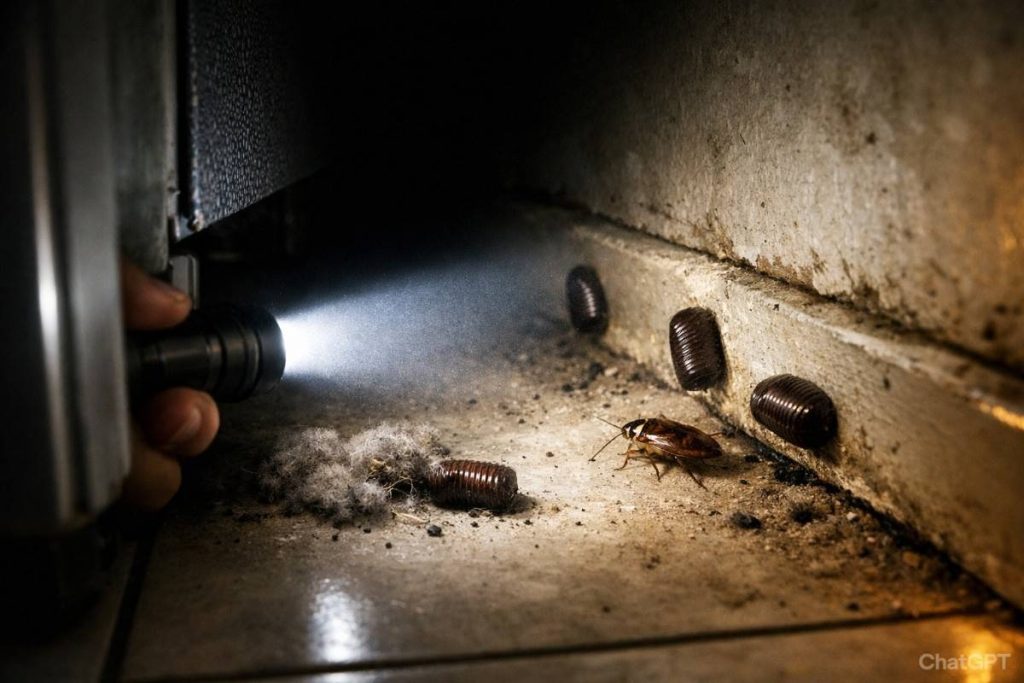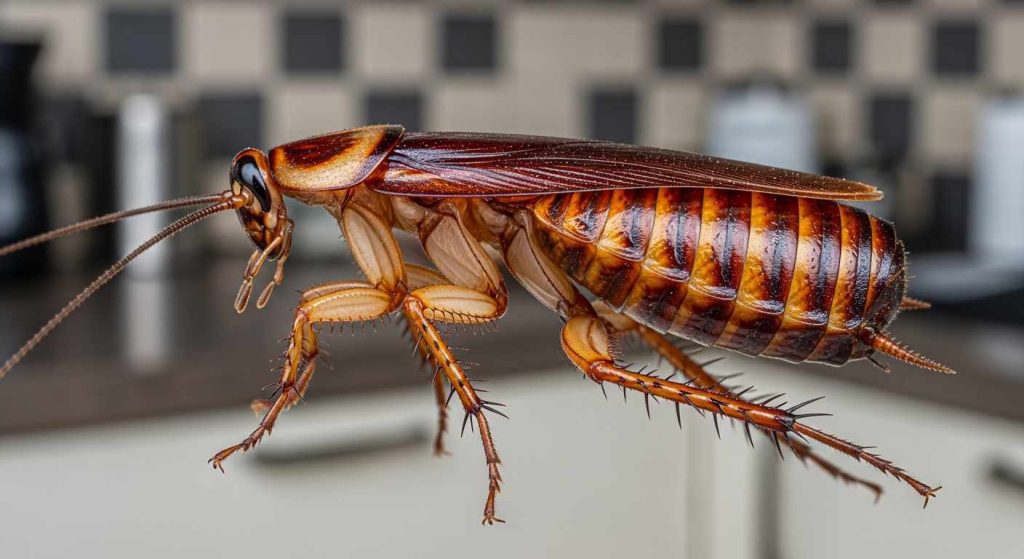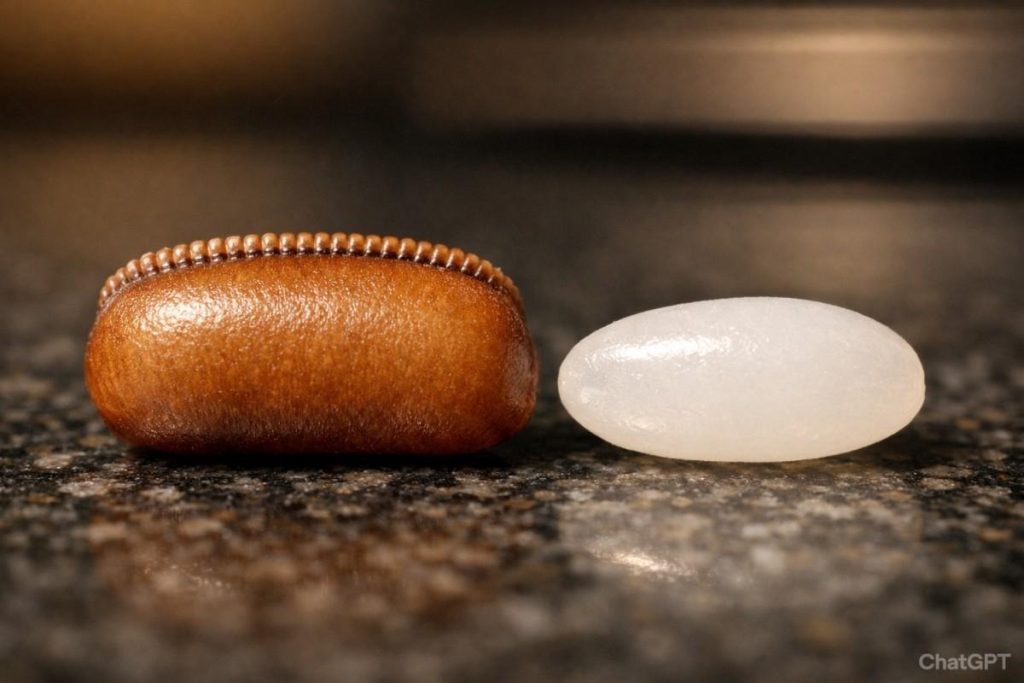

Do Roach Eggs Die in Heat? Exact Temps That Kill Them
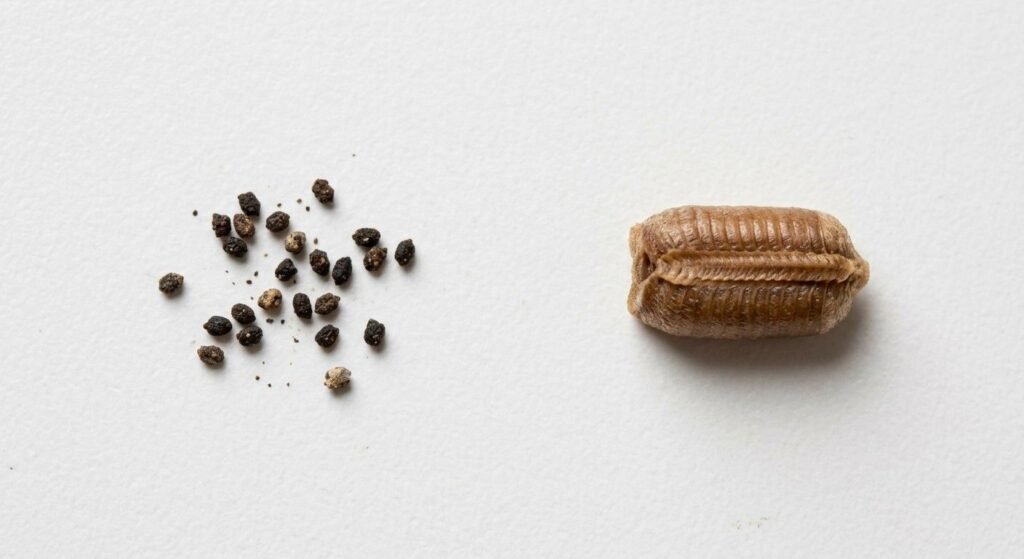
A single cockroach egg case, called an ootheca, can hold up to 48 embryos. Miss just one during treatment, and you’re right back where you started within weeks. So do roach eggs die in heat? Yes, they absolutely do. But here’s the critical detail most sources gloss over: it takes significantly higher temperatures and longer exposure times to kill eggs than it does to kill adult roaches. After years of researching thermal pest control methods and consulting with licensed exterminators on real-world outcomes, I’ve found that the gap between “kills adults” and “kills eggs” is exactly where most DIY heat treatments fall apart. This guide breaks down the exact temperatures, durations, and methods that reliably destroy cockroach eggs backed by university entomology research and professional pest management standards. You’ll learn the precise thermal death points for different species, which heat methods actually penetrate the ootheca, why some eggs survive treatment, and what to do if you find egg cases in your home today. The Direct Answer: Yes, But Temperature and Time Are Everything Here’s the bottom line: roach eggs die in heat, but only when exposed to temperatures at or above 150°F (65°C) for a sustained period, typically 45 to 60 minutes of continuous exposure at the egg’s actual surface. That number matters more than most people realize. The widely cited 120°F (49°C) benchmark? That’s the lethal temperature for adult cockroaches, not their eggs. An adult roach exposed to 120°F dies within roughly 2 minutes, according to research referenced by the University of Florida’s IFAS Extension. But at that same temperature, the ootheca frequently survives. Its hardened outer shell insulates the developing embryos just long enough for them to remain viable. This distinction between adult kill temperature and egg kill temperature is the single biggest reason DIY heat treatments fail. People heat a room to 120–130°F, see dead adults on the floor, and assume the job is finished. Weeks later, nymphs hatch from surviving egg cases tucked inside wall voids and crevices, and the infestation restarts. 💡 Pro Tip: Think of it this way: killing the adults is the easy part. The eggs are the real target. If your heat treatment doesn’t reach 150°F at the egg’s surface for at least 45 minutes, you haven’t solved the problem. You’ve only paused it. Target Temperature Required Exposure Time Kill Rate Adult cockroaches 120°F (49°C) 2 to 5 minutes ~100% Nymphs (first instar) 125°F (52°C) 5 to 10 minutes ~100% Roach eggs (ootheca) 150°F (65°C) 45 to 60 minutes sustained ~100% Gut bacteria (in adults) >200°F (95°C) Varies Partial (see below) What Temperature Kills Cockroach Eggs? Exact Thresholds Understanding the precise temperature threshold that kills cockroach eggs requires separating fact from oversimplification. Three factors determine whether high heat exposure actually destroys the embryos inside an ootheca: peak temperature, duration of exposure, and heat penetration to the egg’s physical location. The 150°F Benchmark for Ootheca Destruction Research from entomology departments, including data referenced by the University of Florida’s IFAS Extension, establishes 150°F (65°C) as the reliable lethal temperature for cockroach egg cases. At this thermal death point, sustained heat penetrates the chitin outer shell and protein matrix of the ootheca, denaturing the proteins essential for embryo development. This isn’t a magic number that works instantaneously, though. The 150°F figure assumes sustained contact, meaning the air or surface temperature at the egg’s exact location must hold at 150°F for a continuous 45-to-60-minute window. Brief temperature spikes above the threshold don’t count. For professional whole-structure heat treatment, technicians typically target 130–145°F throughout the structure while ensuring that wall voids, enclosed spaces, and hidden crevices reach at least 150°F at their deepest points. They verify this with thermocouple probes placed inside walls and beneath appliances, the areas where oothecae are most commonly deposited. Why 120°F Kills Adults but Often Fails on Eggs At 120°F, an adult cockroach dies because its open circulatory system cannot regulate its internal temperature. As an ectotherm, a cold-blooded insect, a roach has no physiological cooling mechanism. Heat causes rapid protein denaturation in organs, organ drying, and metabolic failure. Death comes within minutes. The ootheca presents a fundamentally different engineering problem. The egg casing provides multiple layers of protection: ✔ A hardened chitin shell that slows heat penetration ✔ A protein matrix that functions as thermal insulation ✔ Individual egg chambers that compartmentalize each embryo independently ✔ Yolk reserves that buffer temperature changes around developing tissue At 120°F, heat penetrates the outer shell too slowly to overwhelm these protective layers within any practical timeframe. Some embryos, particularly those nearest the center of the egg case, can survive even extended exposure at this temperature threshold. Exposure Duration: The Variable Most People Ignore Temperature alone doesn’t determine success. The concept of lethal dose time (LDt) borrowed from fumigation science applies directly to heat treatment for cockroaches. LDt accounts for both temperature intensity and exposure duration as a combined kill metric. Here’s the practical breakdown: Temperature at Egg Surface Duration Estimated Egg Kill Rate 120°F (49°C) 60 minutes 30 to 50% (unreliable) 130°F (54°C) 60 minutes 60 to 80% 140°F (60°C) 45 minutes 85 to 95% 150°F (65°C) 45 to 60 minutes ~100% 160°F+ (71°C+) 30 minutes ~100% The takeaway: higher temperatures shorten the required duration, while lower temperatures demand longer exposure, but below 140°F, even extended time often fails to achieve complete egg mortality. This is the temperature threshold where many DIY attempts stall. 💡 Pro Tip: When evaluating a professional heat treatment service, ask specifically what internal temperature they guarantee at wall void depth, not just ambient room temperature. A room thermometer reading 140°F means nothing if the eggs are buried inside a wall cavity where the temperature only reaches 115°F. Reputable providers will show you thermocouple probe placement and data logs. Why Roach Eggs Are So Much Harder to Kill Than Adults Understanding why the ootheca resists heat helps you choose the right pest elimination strategy. The cockroach egg case isn’t just a shell; it’s an evolutionary survival capsule refined over