

Do Roaches Lay Eggs? Everything You Need to Know About Cockroach Reproduction
Do roaches lay eggs? Yes, cockroaches absolutely lay eggs. However, their egg-laying process works differently from most insects. Understanding roach reproduction helps you recognize infestation signs early. This knowledge also helps you protect your home from growing pest populations.
Cockroaches are incredibly efficient at reproducing. A single female can produce hundreds of offspring during her lifetime. Their reproductive rate explains why infestations grow so quickly. Learning about roach eggs empowers you to take effective action.
How Do Cockroaches Lay Eggs?
Cockroaches don’t lay individual eggs scattered around your home. Instead, female cockroaches produce protective egg cases called oothecae. Each ootheca contains multiple eggs bundled together safely.
The female cockroach forms this egg capsule inside her body. The proteinaceous egg case hardens around the developing eggs. This protective casing shields embryos from predators, pathogens, and environmental changes.
Different species handle their oothecae in different ways. Some females carry the egg sac until hatching occurs. Others deposit the ootheca in hidden locations shortly after forming it.
Oviparity vs. Ovoviviparity
Most cockroach species are oviparous. This means they lay eggs that develop outside the mother’s body. The female deposits the ootheca and leaves it to incubate.
Some species are ovoviviparous. These cockroaches retain eggs inside their bodies longer. The eggs hatch internally, and females give birth to live nymphs. This reproductive strategy offers extra protection for developing embryos.
A few species can even reproduce through parthenogenesis. This means females produce offspring without mating. However, this reproductive method is less common.
What Does a Cockroach Ootheca Look Like?
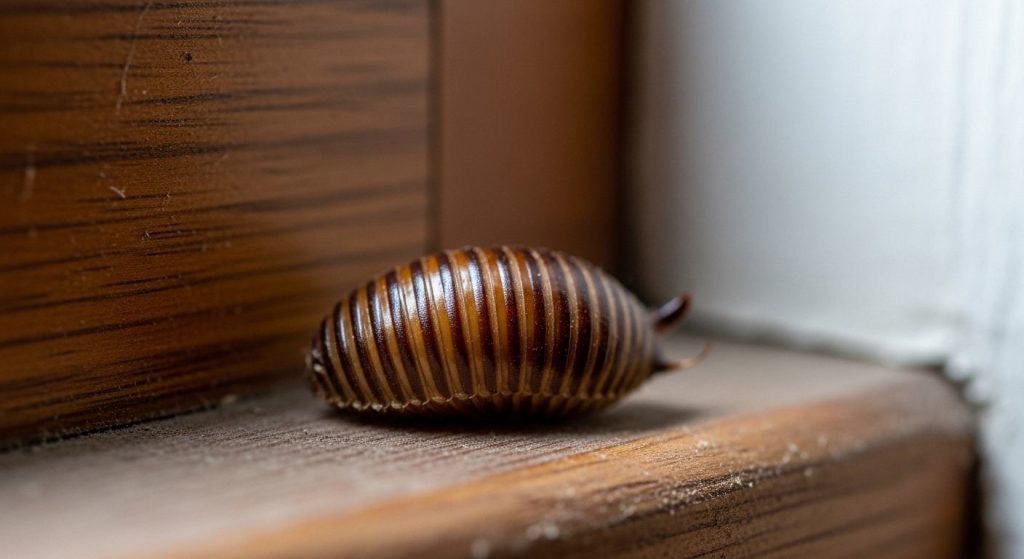
Recognizing cockroach egg cases helps you identify breeding sites. The ootheca has distinctive features that set it apart from other objects.
Size and Shape
A typical roach egg case measures 5 to 10 millimeters long. That’s roughly the size of a small bean or rice grain. The shape resembles a tiny purse or capsule.
The sides are often slightly flattened. Rounded ends give it a pill-like appearance. Some species produce longer, thinner oothecae than others.
Color and Texture
Fresh oothecae usually appear tan, brown, or reddish-brown. The exact color depends on the cockroach species. German cockroach egg cases are lighter tan. American cockroach oothecae appear darker reddish-brown.
The surface has a smooth, leathery texture. You may notice ridge structures running along the capsule. These ridges mark where hatchlings will eventually emerge.
Internal Components
Each ootheca contains many individual eggs. Every egg holds an embryo surrounded by yolk for nutrition. The chorion, or eggshell, protects each developing embryo. A vitelline membrane provides additional protection inside.
The oothecal wall is made of proteinaceous material. This tough casing resists crushing and environmental stress. An operculum, or hatching cap, allows nymphs to exit when ready.
Where Do Roaches Lay Eggs?
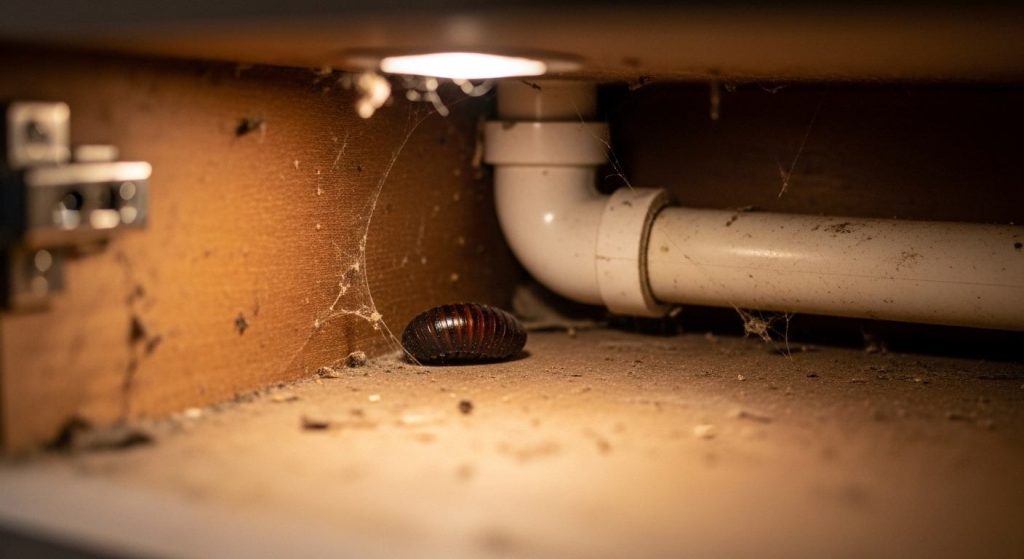
Female cockroaches choose specific microhabitats for egg deposition. Understanding these breeding sites helps you find eggs during inspections.
Kitchen Harborage Sites
Kitchens offer warmth, moisture, and food availability. These conditions make perfect egg incubation environments. Check behind refrigerators, stoves, and dishwashers.
Look inside cabinets near hinges and dark corners. Inspect beneath sinks where plumbing creates humidity. Pantry areas also attract egg-laying females.
Bathroom Locations
Bathrooms provide the humidity cockroaches need for embryonic development. Examine areas under sinks and around toilets. Check behind vanities and near water pipes.
Cracks around tile and baseboards hide oothecae well. Use a flashlight to inspect dark, damp corners thoroughly.
Hidden Cracks and Crevices
Roaches deposit eggs in protected hiding spots. Wall voids behind outlets are common locations. Spaces behind baseboards and door frames attract females.
The gaps around plumbing pipes offer ideal shelter. Any crack wider than a few millimeters becomes a potential breeding site.
Furniture and Storage Areas
Brown-banded cockroaches especially prefer furniture. They attach oothecae inside dressers and behind picture frames. Cardboard boxes in storage areas attract multiple species.
Check underneath cushions and inside drawer joints. Cluttered storage rooms provide countless harborage sites.
Commercial and Outdoor Locations
Restaurants, warehouses, and food service areas face serious risks. Sewers and drainage systems harbor outdoor populations. Leaf litter and mulch near buildings shelter roaches too.
Cockroach Life Cycle Stages
Understanding the life cycle helps with effective pest management. Cockroaches undergo incomplete metamorphosis through three main stages.
Egg Stage and Embryonic Development
The lifecycle begins inside the ootheca. Embryogenesis occurs as cells divide and develop. Incubation conditions significantly affect development speed.
Temperature and humidity drive embryonic stages forward. Warmer, more humid conditions speed up hatching. Cooler, drier environments slow development considerably.
The incubation period varies by species. German roach eggs hatch in about 28 days. American cockroach eggs take 44 to 90 days.
Nymph Stage and Molting
Hatching occurs when nymphs break through the ootheca. These hatchlings look like tiny adult cockroaches without wings. They scatter immediately to find food and shelter.
Nymphs go through multiple nymphal instars before adulthood. Each instar ends with molting, also called ecdysis. The nymph sheds its exoskeleton and grows larger.
The instar count varies among species. German cockroach nymphs molt 5 to 7 times. This nymph development takes several weeks to months.
Adult Stage and Reproduction
Adult cockroaches have fully developed wings and reproductive organs. They can mate and produce new generations. Female reproductive anatomy includes ovaries and a spermatheca for sperm storage.
Mating behavior occurs when adults encounter each other. Females store sperm and fertilize eggs over time. A single mating can produce multiple oothecae.
Species-Specific Reproduction Traits
Different cockroach species have unique reproductive characteristics. Understanding these differences helps identify which pest you’re facing.
German Cockroach (Blattella germanica)
The German cockroach is the most prolific indoor pest. Females produce 4 to 8 oothecae during their lifetime. Each German cockroach ootheca contains 30 to 40 eggs.
Females carry their egg cases until just before hatching. This species-specific reproductive trait increases egg survival rates. Their high fecundity explains why infestations grow rapidly.
German cockroaches prefer domestic environments. Kitchens and bathrooms are their favorite habitats.
American Cockroach (Periplaneta americana)
American cockroaches produce larger but fewer eggs per case. Each American cockroach ootheca holds 14 to 16 eggs. Females create about 6 to 14 oothecae over their lifespan.
These roaches deposit their egg capsules near food sources. They use an adhesive pedestal to attach oothecae to surfaces. Basements, sewers, and commercial kitchens are common habitats.
Oriental Cockroach (Blatta orientalis)
Oriental cockroaches produce dark, sturdy egg cases. Each Oriental cockroach egg capsule contains about 16 eggs. Females generate approximately 8 oothecae during their lives.
They prefer cool, damp environments like basements. These roaches are often called “water bugs” due to moisture preferences.
Brown-Banded Cockroach (Supella longipalpa)
Brown-banded cockroaches have unique egg-laying habits. Females attach their brown-banded cockroach egg sacs to furniture and ceilings. Each case holds 10 to 18 eggs.
They prefer drier, warmer locations than other species. You’ll find their eggs in unusual spots like inside cabinets and behind pictures.
Smokybrown Cockroach (Periplaneta fuliginosa)
Smokybrown cockroaches produce shiny, dark brown oothecae. Each case contains approximately 20 eggs. Females are prolific producers throughout their adult lives.
These roaches prefer outdoor harborage near moisture. They sometimes enter homes through attics and wall voids.
Signs of Roach Eggs in House
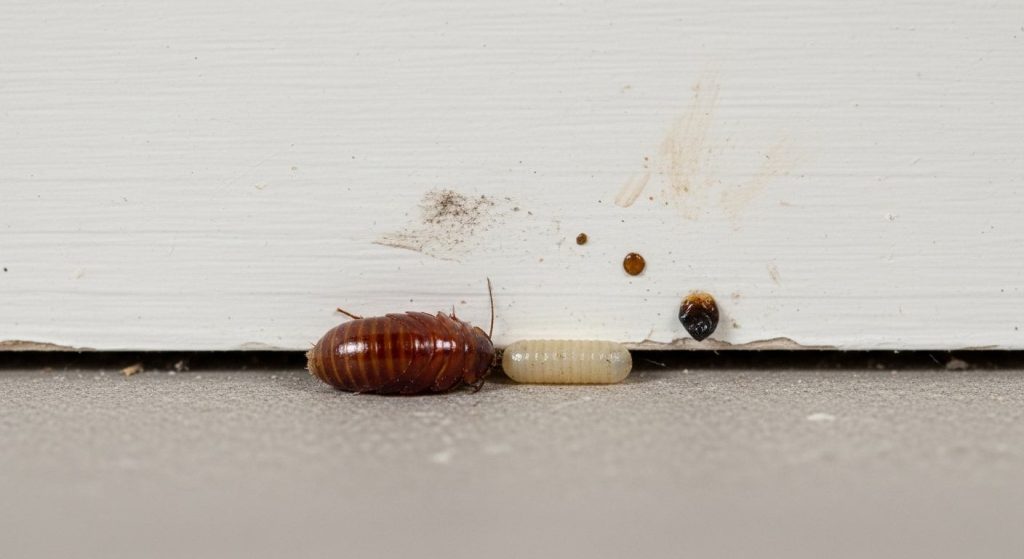
Recognizing egg-related evidence helps assess infestation levels. Multiple signs indicate active roach reproduction.
Visible Egg Cases
Finding oothecae confirms breeding activity in your home. Fresh egg cases appear plump and dark-colored. Empty cases look flattened with visible hatching openings.
A single ootheca suggests early infestation. Multiple cases in different locations indicate a larger brood.
Increased Nymph Sightings
Seeing tiny cockroaches means eggs have already hatched. Nymphs indicate established reproduction cycles. Their presence often accompanies additional hidden oothecae.
Egg-Bearing Females
Spotting a female with a visible egg sac signals active breeding. German cockroach females carry their oothecae prominently. This sighting confirms the population is reproducing.
Associated Infestation Signs
Other evidence often accompanies egg presence. Cockroach feces look like small dark specks or pellets. Shed skins from molting nymphs accumulate near harborage sites.
Allergen contamination from feces and shed skins affects air quality. A musty odor sometimes indicates heavy infestation.
Egg Viability and Development Factors
Several conditions affect whether roach eggs successfully hatch. Understanding these factors helps with control strategies.
Temperature Requirements
Cockroach embryos need warmth for proper development. Most species prefer temperatures between 75 and 85 degrees Fahrenheit. Extreme cold kills developing embryos inside the ootheca.
Humidity Needs
Adequate moisture supports embryonic development. Low humidity causes eggs to desiccate and become nonviable. This is why roaches prefer bathrooms and kitchens.
Environmental Stress
Poor conditions create dormancy or death in eggs. Lack of food availability affects female egg production. Harsh environments reduce overall reproductive success.
Freshly Laid vs. Old Oothecae
Freshly laid oothecae contain embryonated eggs at various stages. Early-stage unembryonated eggs are more vulnerable to treatment. Advanced-stage embryos have stronger survival rates.
How to Find and Remove Roach Eggs
Egg detection and removal interrupt the reproductive cycle. This approach reduces future population growth significantly.
Visual Inspection Methods
Use a flashlight to examine dark harborage sites. Check cracks, crevices, and hidden areas thoroughly. A magnifying glass helps identify small oothecae.
Look behind and underneath all appliances. Inspect inside cabinets, drawers, and storage areas. Check wall outlets and switch plate covers.
Monitoring With Glue Traps
Glue traps help identify cockroach activity patterns. Place monitoring stations near suspected breeding sites. Trapped roaches reveal which areas need closer inspection.
Check traps regularly and note findings. This detection method supports ongoing monitoring efforts.
Safe Egg Removal Techniques
Roach egg removal requires careful handling. Use a vacuum with a HEPA filter to collect oothecae. Seal vacuum bags immediately after use.
Wipe surfaces with soapy water to remove pheromones. Dispose of collected materials in outdoor trash containers.
Control Interventions Targeting Eggs
Standard insecticides don’t always penetrate the protective oothecal wall. Specialized approaches target eggs more effectively.
Insect Growth Regulators (IGRs)
IGRs disrupt cockroach development at the hormonal level. These products prevent eggs from hatching normally. They also stop nymphs from maturing into reproducing adults.
IGRs offer long-term population suppression. They work best as part of comprehensive treatment plans.
Mechanical Removal
Physical removal eliminates eggs immediately. Vacuuming destroys oothecae and their contents. Scraping attached egg cases removes them from surfaces.
This mechanical approach provides instant results. It works well alongside chemical treatments.
Heat Treatments
High temperatures kill embryos inside egg cases. Professional heat treatments reach hidden harborage sites. This method penetrates areas insecticides cannot reach.
Baiting and Bait Stations
While baits primarily target adults and nymphs, they reduce reproducing females. Fewer females means fewer eggs produced. Bait stations provide ongoing control.
Chemical Control Options
Various insecticides support egg control indirectly. Pyrethroids, organophosphates, and boric acid kill adult roaches. Dead adults cannot produce more eggs.
Be aware of insecticide resistance in some populations. Pesticide resistance mechanisms can reduce treatment effectiveness. Rotate chemical classes to maintain control.
Prevention: Stop Roaches From Laying Eggs
Preventing egg-laying protects your home long-term. Combine multiple strategies for best results.
Sanitation Practices
Clean environments discourage roach breeding. Remove food sources by cleaning spills immediately. Store food in sealed containers away from access.
Take garbage out regularly and use tight-fitting lids. Clean behind appliances and inside cabinets routinely.
Exclusion Methods
Sealing entry points prevents roaches from establishing populations. Caulk cracks around baseboards, pipes, and outlets. Install door sweeps and repair damaged screens.
Exclusion makes your home less attractive for egg-laying. Fewer hiding spots mean fewer breeding opportunities.
Humidity Control
Reduce moisture to discourage reproduction. Fix leaky pipes and faucets promptly. Use exhaust fans in bathrooms and kitchens.
Dehumidifiers help in damp basements and crawl spaces. Dry environments stress developing eggs.
Clutter Reduction
Clutter provides hiding spots for oothecae. Remove cardboard boxes and paper piles. Organize storage areas to eliminate harborage sites.
Regular decluttering exposes hidden egg cases. Clean spaces support easier inspection and monitoring.
Integrated Pest Management (IPM) Approach
Effective cockroach control combines multiple methods. Integrated pest management addresses all lifecycle stages including eggs.
IPM Components
A complete IPM program includes inspection, identification, and monitoring. It combines chemical control with non-chemical methods. Sanitation and exclusion form the foundation.
Why Target Eggs Specifically
Eliminating eggs breaks the reproductive cycle. This approach prevents future generations from emerging. Egg-focused control provides lasting population reduction.
Professional Assessment
Licensed pest management professionals assess infestation levels accurately. They distinguish between incipient, low, moderate, and heavy infestations. Their forensic analysis estimates infestation age from life stages present.
Public Health Considerations
Cockroach reproduction affects more than just property. Their presence creates health risks for occupants.
Allergen Problems
Roach feces, shed skins, and body parts trigger allergies. These allergens become airborne and affect respiratory health. Children and sensitive individuals face greater risks.
Food Contamination Risks
Cockroaches mechanically transmit pathogens to food surfaces. Their presence near food storage creates contamination dangers. Food contamination poses serious public health concerns.
Acting Quickly Matters
Rapid reproduction increases health risks over time. Early intervention prevents allergen buildup. Protecting your family means addressing reproduction immediately.
When to Call Professional Pest Control
Some situations require expert intervention. Professional pest management offers advantages homeowners cannot replicate.
Signs You Need Help
Consider calling professionals when:
– You find multiple oothecae throughout your home
– Nymph sightings continue despite DIY efforts
– German cockroaches have established populations
– You see egg-bearing females regularly
– Infestation affects food preparation areas
Professional Advantages
Pest control experts understand cockroach biology thoroughly. They access commercial-grade IGRs and treatments. Their monitoring stations and detection methods are more effective.
Professionals follow regulatory and label requirements carefully. Their safe-use directions protect your family during treatment.
Biological Control Options
Some professionals use associated organisms for control. Parasitoid wasps attack cockroach oothecae naturally. These biological control methods supplement other treatments.
Take Control of Roach Reproduction Today
Now you understand how cockroaches lay eggs and why it matters. You know where they hide oothecae and how to find them. This knowledge gives you power over infestations.
Don’t let roach populations multiply in your home. Start your inspection today. Check all harborage sites in kitchens, bathrooms, and storage areas. Remove any egg cases you discover immediately.
Implement sanitation and exclusion practices consistently. Consider using IGRs to disrupt the reproductive cycle. Monitor regularly with glue traps to catch new activity.
For established infestations, contact a licensed pest management professional. Their expertise ensures the complete elimination of eggs and all life stages. Your family deserves a roach-free home; take action now.
Have questions about cockroach reproduction or egg removal? Share your concerns in the comments below. For serious infestations, reach out to a local pest control expert for a complete assessment.